What Is Roof Flashing and Why Does It Matter?
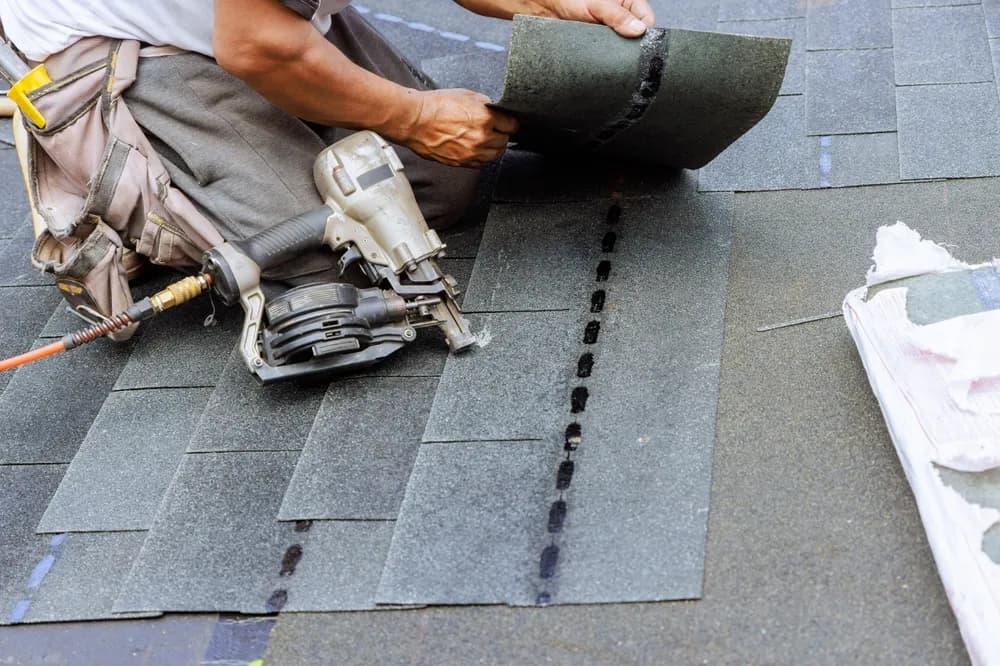
Roof flashing is thin sheet metal installed at joints, seams, and transitions on your roof where water could otherwise seep through. It's one of the most important components of any roofing system — more roof leaks are caused by flashing failures than by shingle damage.
If you've heard a roofer mention flashing during an inspection or estimate and aren't sure what they're talking about, this guide explains what it is, where it's used, what it's made of, and why it matters for keeping your home dry.
What Roof Flashing Does
Shingles do a good job of shedding water on flat, uninterrupted roof surfaces. But roofs aren't flat and uninterrupted — they have chimneys, vents, skylights, walls, valleys, and edges where different planes meet. Every one of these transitions is a potential entry point for water.
Flashing bridges these vulnerable spots. It's shaped and positioned to redirect water away from joints and back onto the shingle surface where it can flow harmlessly into the gutters. Think of it as the waterproof tape at every seam in your roof's armor.
Without properly installed flashing — or with flashing that has corroded, loosened, or been damaged — water works its way behind shingles, under roof edges, and around penetrations. This leads to rotted decking, damaged insulation, mold growth, and interior water damage.
Types of Roof Flashing
Different locations on the roof call for different types of flashing. Here are the most common:
Step Flashing
Step flashing is used where a sloped roof meets a vertical wall, such as where a second-story wall rises above a first-story roof line, or where a dormer wall meets the main roof. It consists of small L-shaped pieces of metal woven into the shingles, with each piece overlapping the one below it like a staircase — hence the name. Step flashing is one of the most failure-prone areas on a roof when installed incorrectly.
Counter Flashing
Counter flashing works in tandem with step flashing. It's embedded into the mortar joints of masonry walls or chimneys and bends down over the top edge of the step flashing. This two-layer system prevents water from running behind the step flashing. When you see flashing pulling away from a chimney, it's usually the counter flashing that has separated.
Valley Flashing
Roof valleys — the V-shaped channels where two roof slopes meet — handle a high volume of water runoff. Valley flashing is a wide strip of metal installed along the full length of the valley before shingles are laid. Some roofers use an "open valley" method where the metal remains visible, while others use a "closed valley" or "woven valley" method where shingles cover the metal. Open valleys with exposed metal generally perform better and are easier to maintain.
Drip Edge Flashing
Drip edge is installed along the eaves and rakes (the sloped edges) of the roof. It extends slightly past the roof edge to direct water into the gutters and prevent it from wicking back under the shingles or running down the fascia board. Many building codes now require drip edge on new installations.
Vent Pipe Flashing (Pipe Boots)
Plumbing vent pipes that penetrate the roof need their own flashing — a cone-shaped rubber or metal boot that fits snugly around the pipe with a flat base that slides under the shingles. Rubber pipe boots are one of the first flashing components to fail because the rubber degrades in UV light and temperature cycles. Metal or metal-and-rubber hybrid boots last significantly longer.
Chimney Flashing
Chimney flashing is actually a system of multiple flashing types working together. The front (downslope) side uses apron flashing. The sides use step flashing with counter flashing. The back (upslope) side uses a cricket or saddle — a peaked structure that diverts water around the chimney rather than letting it pool behind it. Chimney flashing is one of the most complex installations on any roof.
Skylight Flashing
Skylights require continuous flashing around all four sides. Most modern skylights come with integrated flashing kits designed specifically for the unit. Using the manufacturer's flashing kit rather than field-fabricating flashing ensures the best seal and maintains the skylight warranty.
Headwall and Sidewall Flashing
Where a roof slope ends at a vertical wall (headwall) or runs alongside a vertical wall (sidewall), flashing is needed to prevent water from penetrating the wall-to-roof junction. Headwall flashing is a continuous piece bent into an L-shape. Sidewall flashing uses the step flashing method described above.
Flashing Materials
Roof flashing is made from several different metals, each with trade-offs:
Aluminum
Lightweight, affordable, rust-resistant, and easy to form. Aluminum is the most common flashing material for residential roofing. It doesn't corrode easily but can react with concrete and mortar (galvanic corrosion), so it should be coated or painted when used against masonry.
Galvanized Steel
Steel coated with zinc for corrosion resistance. It's stronger and more rigid than aluminum, making it a good choice for areas that need structural support (like chimney crickets). The zinc coating eventually wears, so galvanized steel flashing can rust over time — typically after 15-20 years depending on the environment.
Copper
The premium choice. Copper flashing is extremely durable, lasts 50+ years, and develops an attractive green patina over time. It's significantly more expensive than aluminum or galvanized steel and is most commonly used on high-end homes or historic restorations. Copper should not be used in direct contact with other metals due to galvanic corrosion potential.
Lead
Soft, malleable, and extremely long-lasting. Lead flashing is traditional on chimney and masonry work because it can be easily shaped to conform to irregular surfaces. It's less common in modern residential construction due to cost and environmental concerns but is still used in specialty applications.
Signs of Flashing Problems
Flashing failures don't always announce themselves with an obvious leak. Here are signs to watch for during roof inspections:
- Visible rust or corrosion on any metal flashing
- Lifted or bent flashing that has pulled away from the surface it's meant to seal
- Cracked or missing caulk around flashing edges (a sign the original seal has failed)
- Water stains on interior walls or ceilings near chimneys, skylights, or where walls meet the roof
- Cracked rubber pipe boots around plumbing vents
- Granule buildup in valleys — while some granule accumulation is normal, excessive amounts can indicate water is flowing under shingles rather than over them
Flashing Repair vs. Replacement
Minor flashing issues — a small separation, a loosened section — can sometimes be repaired with roofing sealant or by re-securing the existing material. However, flashing repairs are often temporary fixes. If the metal itself is corroded, cracked, or deteriorated, replacement is the more reliable solution.
During a full roof replacement, all flashing should be replaced. Reusing old flashing on a new roof is a shortcut that leads to premature leaks. The cost of new flashing during a reroof is minimal compared to the cost of tearing into a new roof to fix a flashing leak later.
Why Professional Installation Matters
Flashing installation is one of the areas where the difference between an experienced roofer and an inexperienced one shows up most clearly. Proper flashing requires precise measurement, cutting, bending, and integration with the shingle courses. Cutting corners — using caulk as a substitute for proper metal work, skipping step flashing pieces, or failing to install a chimney cricket — leads to leaks that may not appear for months or years.
When evaluating roofing contractors, ask specifically about their flashing practices. A good contractor will explain what types of flashing they use, what materials they prefer, and how they handle complex areas like chimneys and sidewalls.
Schedule a Free Roof Inspection
If you're concerned about flashing on your roof — or if you've noticed any signs of water intrusion near your chimney, walls, or vents — Peak Roofing offers free inspections. We'll check every flashing point on your roof and give you an honest assessment of its condition.
Call us at (704) 313-9341 or schedule your inspection online.
Need Help with Your Roof?
Contact Peak Roofing today for a free roof inspection and estimate. Our experienced team is here to help Charlotte homeowners.