What to Expect During a Professional Roof Inspection

If you have never had a professional roof inspection, you might wonder what exactly happens during one and whether it is worth your time. The short answer is that a roof inspection is one of the smartest things a homeowner can do to protect their property. It is like a checkup for the most important protective system on your home, and catching small problems early can save you thousands of dollars in major repairs down the road.
For Charlotte homeowners, regular roof inspections are especially important. Our Piedmont climate puts roofs through a demanding cycle of intense summer heat and UV exposure, heavy rainfall exceeding 43 inches per year, severe thunderstorms with hail and high winds, and occasional ice events in winter. All of that weather accumulates wear and tear that may not be visible from the ground but can lead to serious problems if left unchecked. Here is a detailed look at what to expect during a professional roof inspection in the Charlotte area.
Why Regular Roof Inspections Matter
Many homeowners only think about their roof when something goes wrong, such as a leak appearing on the ceiling or shingles blowing off during a storm. By that point, the damage has already occurred and the repair costs are higher than they needed to be. Regular professional inspections identify issues in their early stages when they are easier and less expensive to address.
Roofing professionals recommend having your roof inspected at least once a year, and also after any major storm event. In the Charlotte area, where we experience severe weather multiple times per year, annual inspections are especially valuable. They provide a documented baseline of your roof's condition, which is also helpful for insurance purposes if you ever need to file a storm damage claim.
When Should You Schedule a Roof Inspection?
There are several situations when a roof inspection is particularly important:
- After a major storm: If Charlotte experiences significant hail, high winds, or heavy rain, a post-storm inspection can identify damage before it causes secondary problems like leaks and mold.
- Before buying or selling a home: Purchasing a home in Dilworth, Huntersville, or Fort Mill? A roof inspection tells you the true condition of the roof and gives you real negotiating leverage.
- When your roof is aging: If your roof is approaching 15 to 20 years old, annual inspections help you plan for replacement before emergency situations arise.
- If you notice interior signs: Water stains on ceilings, musty odors in the attic, or unexplained increases in energy bills all warrant a professional roof inspection.
- As part of annual maintenance: The best time for a routine annual inspection in Charlotte is in the fall, after the worst of summer storm season and before winter weather arrives.
The Exterior Roof Inspection
The most important part of a professional roof inspection happens on the roof itself. A qualified inspector will physically get on your roof to examine every component up close. Here is what they look for during the exterior inspection.
Shingle Condition
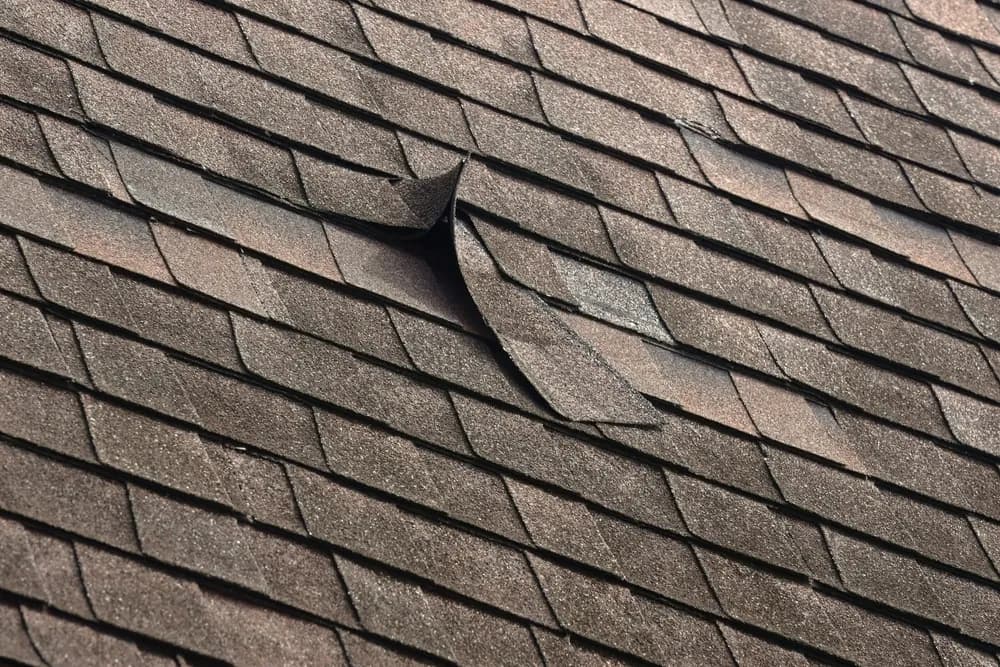
The inspector will examine the overall condition of your shingles across all slopes of the roof. They are looking for signs of wear, damage, and aging, including curling or buckling shingles, cracked or broken shingles, missing shingles, excessive granule loss, blistering or bubbling, moss or algae growth, and any signs of hail or wind damage. In Charlotte's climate, south-facing and west-facing slopes typically show more wear because they receive the most sun exposure and bear the brunt of afternoon thunderstorms.
Flashing and Seals
Flashing is the metal material installed at every transition point on your roof, such as around chimneys, at wall intersections, around vents and skylights, and in valleys where two roof slopes meet. Flashing is one of the most common sources of roof leaks, so the inspector will pay close attention to its condition. They check for rusted, cracked, or separated flashing, deteriorated sealant or caulking, gaps between flashing and the surrounding materials, and proper overlap and layering at all transition points.
Roof Penetrations
Every pipe, vent, skylight, and other penetration through your roof is a potential entry point for water. The inspector will examine the pipe boots, which are the rubber seals around plumbing vent pipes, along with exhaust vent covers, skylight frames and seals, and any satellite dish or antenna mounts. Rubber pipe boots in particular have a limited lifespan and are a frequent source of leaks on Charlotte homes, especially after years of exposure to our intense summer sun.
Ridge, Hips, and Edges
The highest points and edges of your roof are most vulnerable to wind damage. The inspector checks the ridge cap shingles along the peak, hip cap shingles along any hip ridgelines, drip edge along the eaves and rakes, and the starter strip along the bottom edge of the roof. These areas experience the highest wind forces during storms, making them common failure points during Charlotte's severe thunderstorms.
Gutters and Drainage
Proper drainage is essential for roof longevity, especially in Charlotte where we receive significant rainfall. The inspector will look at gutter condition and attachment, downspout placement and function, any areas where water might be pooling, and the amount of granules accumulated in the gutters, which indicates shingle wear. Clogged or damaged gutters can cause water to back up under the roof edge, leading to rotted fascia and soffit damage that is common in the humid Carolina climate.
The Interior Inspection
A thorough roof inspection does not stop at the exterior. A professional will also want to check your attic and interior ceilings for signs of problems that may not be visible from outside.
Attic Examination
If your attic is accessible, the inspector will look at the underside of the roof decking for water stains, dark spots, or active moisture. They will check for daylight visible through the roof boards, which indicates gaps or holes. They will also assess insulation condition and look for signs of mold or mildew, which is a real concern in Charlotte's humid climate. Mold in the attic often points to a combination of moisture intrusion and inadequate ventilation.
Ventilation Assessment
Proper attic ventilation is critical for roof performance in North Carolina. The inspector will evaluate your ventilation system to check that there is adequate intake ventilation, usually through soffit vents, and exhaust ventilation, typically through ridge vents or other roof vents. Insufficient ventilation traps heat and moisture in the attic, which accelerates shingle deterioration from below and can lead to mold growth and ice dam formation during winter cold snaps.
Interior Ceiling and Wall Check
The inspector may also ask to look at your interior ceilings and walls, particularly in upper-floor rooms, for water stains, bubbling paint, or sagging drywall. These signs often indicate an active or recent roof leak that may not be immediately visible from the exterior.
The Inspection Report
After the inspection is complete, a professional roofing company will provide you with a detailed report of their findings. This report should include an overall assessment of your roof's condition, photos documenting any damage or areas of concern, a description of each issue found and its severity, recommended repairs or maintenance actions, an estimated remaining lifespan for your roof, and a written estimate if any work is recommended.
This report serves as a valuable reference document. It creates a record of your roof's condition at a specific point in time, which is useful for insurance documentation, for planning and budgeting future roof work, and for comparing condition over time if you have annual inspections performed.
How Long Does a Roof Inspection Take?
A thorough professional roof inspection typically takes 45 minutes to an hour for an average-sized Charlotte home. Larger homes with complex rooflines may take longer. The inspector will spend the majority of the time on the roof itself, with additional time in the attic and reviewing their findings with you. You do not need to be home for the exterior inspection, but it is helpful if you can be available when the inspector is finished so they can walk you through their findings in person.
How Much Does a Roof Inspection Cost?
Many reputable roofing companies in the Charlotte area, including Peak Roofing, offer free roof inspections. This is especially common for post-storm inspections and when a homeowner is considering a roof replacement or repair. If you are having a home inspected as part of a real estate transaction, a roof-specific inspection from a roofing professional is often a worthwhile addition to the general home inspection, even if there is a small fee involved.
Schedule Your Free Roof Inspection with Peak Roofing
Worried about storm damage? Roof getting older? Just want to know where things stand? Peak Roofing offers free professional roof inspections for homeowners throughout the Charlotte metro area. We serve Charlotte, Mooresville, Concord, Matthews, Huntersville, Davidson, Cornelius, Mint Hill, Fort Mill, Rock Hill, and all surrounding communities in North Carolina and South Carolina.
With 10+ years of experience, we'll give you an honest assessment and clear recommendations. If work is needed, you get a free estimate. No pressure. Call Peak Roofing at (704) 313-9341 or schedule your free inspection online.
Need Help with Your Roof?
Contact Peak Roofing today for a free roof inspection and estimate. Our experienced team is here to help Charlotte homeowners.