What Is Roof Decking? The Foundation Under Your Shingles
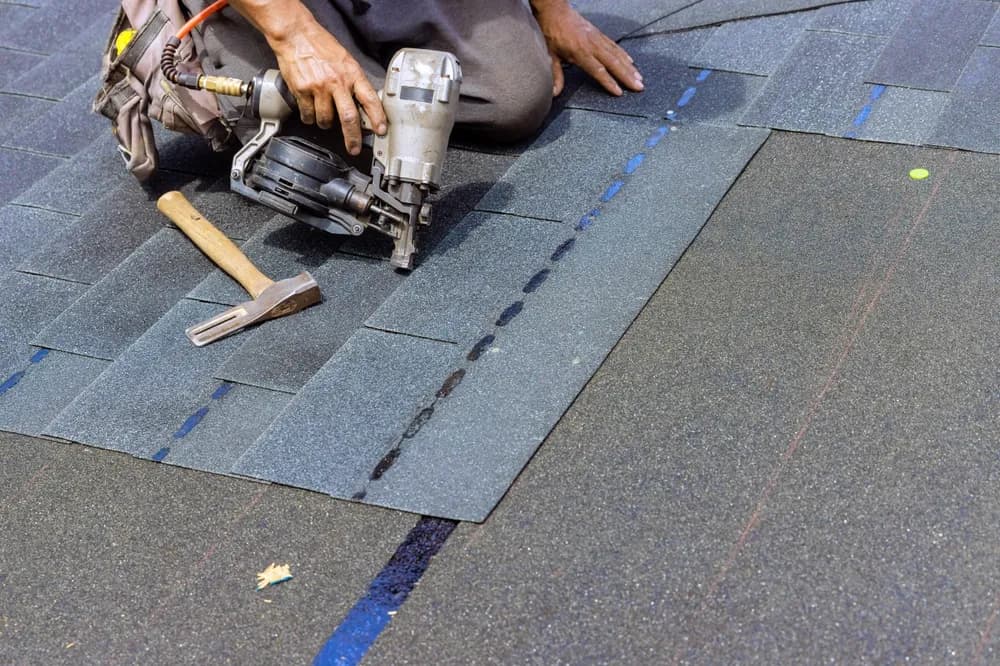
Roof decking (also called roof sheathing) is the layer of flat boards or panels nailed to your roof's rafters or trusses, creating the solid surface that everything else — underlayment, flashing, and shingles — gets attached to. It's the structural foundation of your entire roofing system.
Most homeowners never think about roof decking until it's damaged. But understanding what it is and what can go wrong helps you make smarter decisions when a roofer tells you some of your decking needs to be replaced during a reroof.
Types of Roof Decking
There are several types of roof decking used in residential construction. The type on your home depends largely on when it was built.
Plywood
Plywood decking uses thin layers of wood veneer glued together with the grain of each layer alternating direction. This cross-grain construction gives plywood good strength in all directions. For roofing, CDX plywood is the most common type — the "C" and "D" refer to the face grades (C being the better side, D the rougher side), and "X" indicates the glue is rated for exterior exposure.
Standard thickness for roof plywood is 1/2 inch for rafters spaced 16 inches on center, or 5/8 inch for rafters at 24 inches on center. Plywood panels are typically 4 feet by 8 feet.
Oriented Strand Board (OSB)
OSB is made from compressed wood strands bonded with resin. It's become the dominant roof sheathing material in new construction because it costs 20-30 percent less than plywood while providing comparable structural performance. Most homes built after the mid-1990s use OSB for roof decking.
One important difference: OSB is more susceptible to moisture damage than plywood. When plywood gets wet, it tends to dry out and return to its original form. When OSB absorbs water, particularly at the edges, it can swell permanently. This makes waterproofing details — like proper underlayment and flashing — especially important on OSB decking.
Board Decking (Tongue-and-Groove or Planks)
Homes built before the 1960s often have board decking — individual planks (typically 1x6 or 1x8 lumber) nailed directly to the rafters. Board decking is strong and durable, and when it's in good condition, it's perfectly fine to roof over. However, the gaps between boards can cause problems with some modern roofing products that require a smooth, continuous surface.
When reroofing a home with board decking, contractors sometimes add a layer of plywood or OSB over the existing boards to create a flat nailing surface. This adds cost but provides a much better substrate for modern shingles.
Concrete and Other Materials
In some commercial and specialty residential applications (like flat roofs), decking may be concrete, gypsum board, or steel. These are less common in standard residential construction but worth mentioning for completeness.
What Damages Roof Decking?
Roof decking is wood, and wood's biggest enemy is moisture. Here are the most common causes of decking damage:
Roof Leaks
Any leak that allows water to reach the decking — whether from damaged shingles, failed flashing, or ice dams — can cause the wood to rot. Slow leaks are especially dangerous because they can damage decking for months or years before anyone notices.
Poor Ventilation
Without proper attic ventilation, warm moist air from the living space rises into the attic and condenses on the underside of the cold roof decking. Over time, this condensation soaks into the wood, leading to mold growth, delamination (plywood layers separating), and rot. In humid climates, ventilation-related decking damage is extremely common.
Age
Even without active leaks, decking deteriorates over decades of exposure to temperature cycles, minor moisture intrusion, and general aging. Original decking on a 40-50 year old home may still be functional but is likely softer and weaker than when it was new.
Storm Damage
Severe storms can damage decking directly — falling tree limbs can crack or break panels, and extreme wind can lift shingles and expose the decking to water. After any significant storm, it's worth having a professional inspection to check for hidden decking damage.
Animal Damage
Squirrels, raccoons, and other wildlife can chew through decking to access the attic. The holes they create allow water to enter and can compromise the structural integrity of the surrounding area.
Signs Your Roof Decking May Be Damaged
From outside the home:
- Sagging or dipping areas on the roof surface — a visible sag between rafters usually indicates the decking is weakened or deteriorated
- Wavy or uneven roof surface that's visible when looking along the roof plane from the side
- Soft spots that give under foot (something a roofer will check during an inspection — homeowners should not walk on their roof)
From inside the attic:
- Water stains on the underside of the decking
- Dark spots or discoloration indicating mold or rot
- Delamination — plywood layers visibly separating
- Daylight visible through the decking (on homes with board decking, small gaps between boards are normal; large gaps or holes are not)
- Musty smell in the attic, suggesting mold growth
Roof Decking During a Replacement
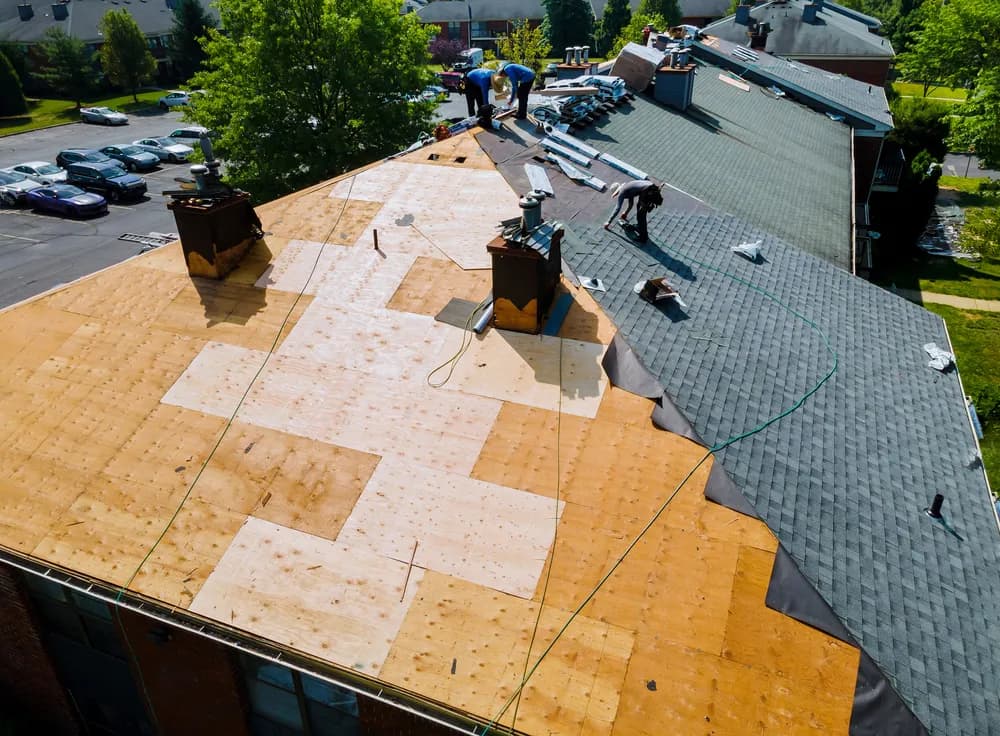
During a roof replacement, the old shingles and underlayment are stripped off, exposing the decking for inspection. This is the only time the decking is fully visible and accessible, and it's when any damaged sections need to be addressed.
A responsible roofing contractor will inspect the entire deck surface after tear-off and replace any damaged sections before installing new underlayment and shingles. Common issues found during tear-off include:
- Rotted areas around penetrations — vent pipes, chimneys, and skylights are common trouble spots
- Water-damaged sections in valleys or at wall-to-roof transitions where old flashing had failed
- Soft or spongy panels that have absorbed moisture over the years
- Missing nails or loose panels that shift underfoot
How Much Does Decking Replacement Cost?
Replacing individual sheets of decking during a reroof typically costs $75-150 per sheet (a 4x8 panel), including material and labor. Most roof replacements require at least a few sheets of new decking. On older homes or homes with known leak history, the amount can be significantly more.
Some contractors include a certain amount of decking replacement in their base price (commonly 1-2 sheets), while others charge it as an add-on. When getting roofing estimates, ask how decking replacement is priced so you can compare proposals accurately.
Can You Roof Over Damaged Decking?
No. Installing new shingles over damaged decking defeats the purpose of a new roof. Soft or rotted decking won't hold nails properly, which means shingles can loosen in wind. Moisture trapped in damaged decking will continue to deteriorate and can spread to the new roofing materials from below.
Any contractor who suggests roofing over visibly damaged decking to save money is cutting a corner that will cost you more in the long run. Decking replacement during a reroof is one of those costs that's absolutely necessary when the damage is found.
How to Protect Your Roof Decking
Since decking damage is primarily caused by moisture, protecting it comes down to:
- Maintaining your shingles and flashing: A roof in good condition keeps water out of the decking
- Ensuring proper attic ventilation: Good airflow prevents condensation on the underside of the decking
- Addressing leaks immediately: Even small leaks can damage decking over time if left unrepaired
- Regular inspections: Catching problems early prevents small issues from becoming major decking replacements
Get Your Roof Inspected
If you're noticing signs of sagging, soft spots, or water stains in your attic, your decking may need attention. Peak Roofing provides free roof inspections that include checking accessible decking from the attic side.
Call us at (704) 313-9341 or schedule your free inspection online.
Need Help with Your Roof?
Contact Peak Roofing today for a free roof inspection and estimate. Our experienced team is here to help Charlotte homeowners.