What Are Signs of Storm Damage on a Roof?
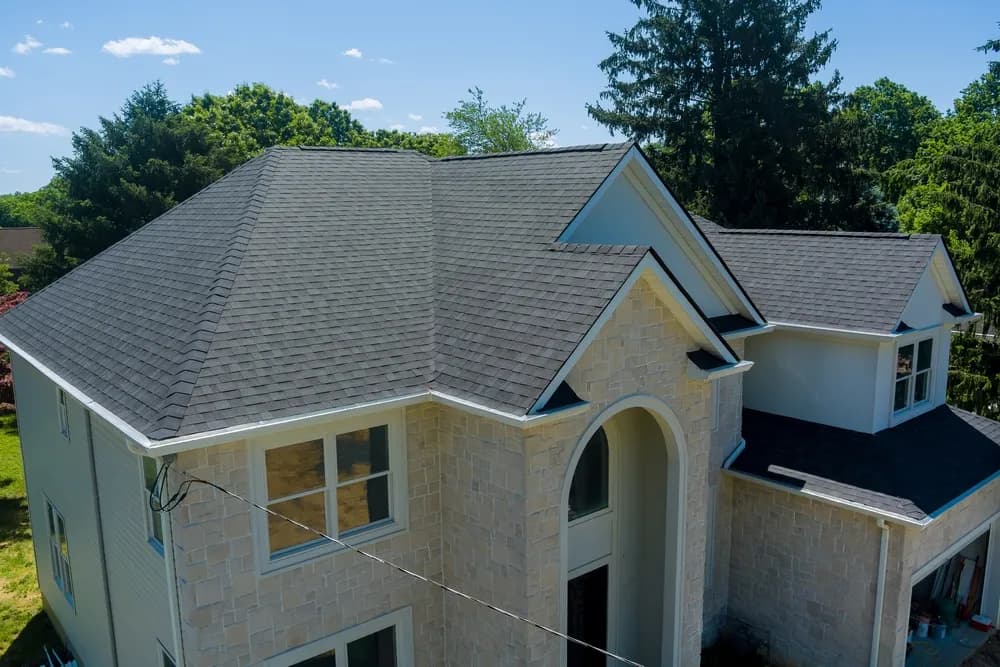
The most common signs of storm damage on a roof are dented or bruised shingles from hail, missing or lifted shingles from high winds, cracked or torn flashing, and an unusual amount of granules washing into your gutters. Some of this damage is visible from the ground, but much of it requires a closer inspection to identify.
Charlotte gets hit by severe weather regularly. Thunderstorms bring wind and hail from spring through fall, and every few years, remnants of a hurricane push through the Piedmont with heavy rain and sustained winds. After any significant weather event, knowing what to look for on your roof can be the difference between catching damage early and discovering a leak months later. Here is what storm damage actually looks like and what to do when you find it.
Hail Damage: What It Looks Like
Hail is one of the most common causes of storm damage to roofs in the Charlotte area. Even small hail, around one inch in diameter, can damage asphalt shingles. Here is what to look for:
Dents or bruises on shingles. Hail impacts leave round or irregular dents in the shingle surface. On darker shingles, these show up as slightly shinier spots where the granules have been knocked off, exposing the asphalt underneath. On lighter shingles, the dents may appear as darker spots. You often cannot see these from the ground, which is why a rooftop inspection matters.
Cracked shingles. Larger hail, one and a half inches or bigger, can crack the shingle mat itself. These cracks may not be visible immediately but create weak points where water will eventually get through.
Dents in metal components. Look at your gutters, downspouts, flashing, and any metal vents or caps on the roof. Hail leaves visible dents in soft metals, and these dents are often the first clue that hail hit your property. If your gutters look like someone took a ball-peen hammer to them, your shingles probably took damage too.
Damage to other surfaces. Check your air conditioning unit, deck railing, patio furniture, and car. Hail that damages these items almost certainly damaged your roof as well. This kind of collateral evidence helps document the storm event for insurance purposes.
Why Hail Damage Is Sneaky
The dangerous thing about hail damage is that it does not cause immediate leaks. Instead, it compromises the shingle's protective granule layer, which accelerates deterioration. A hail-damaged roof may look fine for months or even a year before the weakened areas start failing. By then, the damage has progressed to the underlayment and possibly the decking. Getting an inspection soon after a hailstorm catches the damage while it is still surface-level and fully covered by insurance.
Wind Damage: What It Looks Like
Charlotte regularly experiences straight-line winds of 50 to 60 mph during severe thunderstorms, with gusts exceeding 70 mph in some events. Here is what wind damage looks like on a roof:
Missing shingles. The most obvious sign. Strong winds get under the shingle edges, break the adhesive seal, and tear shingles off entirely. Look for gaps in the shingle pattern, especially along ridges, edges, and the sides of the roof that face the prevailing wind direction.
Lifted or creased shingles. Sometimes the wind lifts a shingle but does not tear it off. Instead, it folds the shingle back and creases it. The shingle may appear to lay flat again after the storm, but the crease has permanently broken the seal and weakened the material. These are easy to miss from the ground.
Exposed underlayment or decking. When enough shingles blow off from one area, you may see the dark underlayment or lighter colored decking underneath. This is an emergency situation because your roof has no protection against the next rain.
Tree and Debris Damage
Fallen tree limbs are a common problem after storms in Charlotte, especially in tree-heavy neighborhoods like Myers Park, Eastover, and areas near Cornelius and Lake Norman. Even a small branch falling from height can crack shingles, dent flashing, or puncture the roof surface. Larger limbs can cause structural damage.
After a storm, check for branches resting on your roof even if they appear to have landed gently. The weight of a branch sitting on shingles can create a slow compression that damages the shingles underneath. Remove small debris carefully from a ladder if you can reach it safely, but leave anything large or heavy for a professional.
Less Obvious Signs of Storm Damage
Granules in Your Gutters
Check your gutters and the ground below your downspouts after a storm. A significant increase in granule accumulation means the storm stripped protective coating from your shingles. Some granule loss is normal, especially on newer roofs during the first few rain events, but heavy granule deposits after a storm indicate impact damage across the roof surface.
Damaged Pipe Boots and Vents
The rubber boots around plumbing vents and the metal caps on exhaust vents are vulnerable to hail and wind. Cracked pipe boots are a common and easily overlooked source of leaks after a storm. Metal vent caps can be dented or knocked loose. These small components are easy to miss during a casual ground-level check but important to inspect up close.
Compromised Flashing
Flashing is the metal installed where the roof meets walls, chimneys, skylights, and other penetrations. Storm winds can bend, lift, or pull flashing loose from its sealed position. Once flashing is compromised, water has a direct path into your home. Chimney flashing and step flashing along sidewalls are the most common areas to fail during a storm.
What to Do After You Suspect Storm Damage
If you suspect your roof took damage from a storm, take these steps in order:
First, document what you can see from the ground with photos. Note the date and type of weather event. Second, call a local roofing contractor for a professional storm damage inspection. They will get on the roof, identify all areas of damage, and provide a detailed report with photos. Third, if the damage warrants it, file a claim with your insurance company. Having your roofer's documentation in hand before the adjuster arrives puts you in a strong position.
Do not wait weeks or months to get an inspection. Insurance companies expect claims to be filed promptly after the damage occurs. Waiting too long can raise questions about whether the damage was actually caused by the storm or by something else. Visit our FAQ page for more on the insurance claims process and how we help Charlotte homeowners navigate it.
Get a Free Storm Damage Inspection
Peak Roofing provides free storm damage inspections for homeowners across the Charlotte metro area. After a storm, call us and we will get on your roof, document every area of damage, and give you a clear picture of what needs to be done. If an insurance claim makes sense, we will walk you through the process and meet with your adjuster to make sure nothing gets missed. We serve Charlotte, Mint Hill, Matthews, Huntersville, Fort Mill, and all surrounding communities.
Call us at (704) 313-9341 or contact us online to schedule your free inspection.
Need Help with Your Roof?
Contact Peak Roofing today for a free roof inspection and estimate. Our experienced team is here to help Charlotte homeowners.