Hail Damage on Your Roof? Here's What to Do Next
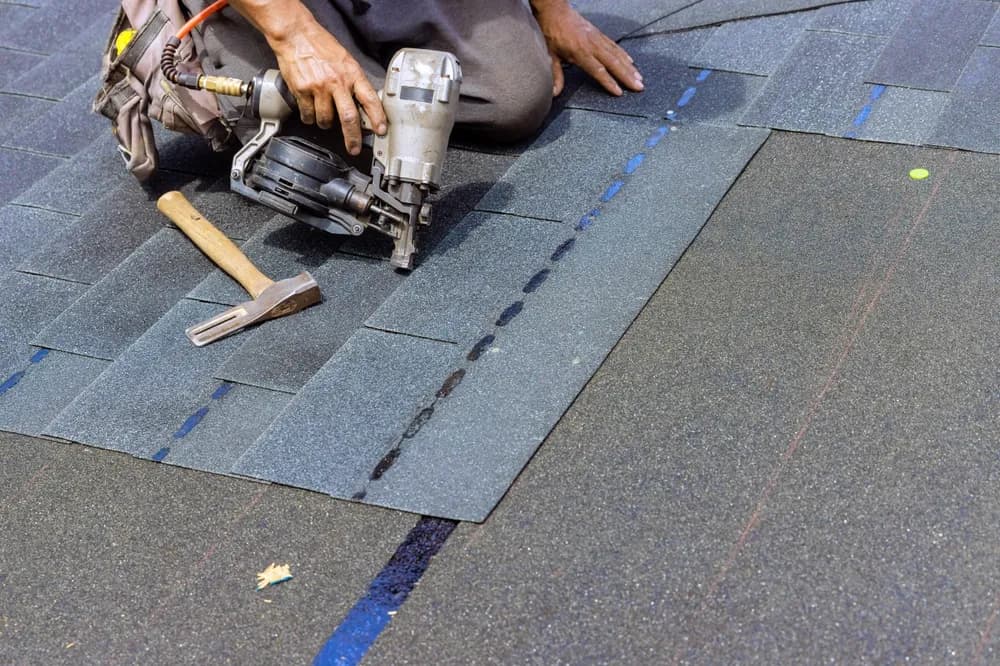
Hail damage on your roof is one of the most common and costly storm damage problems for Charlotte homeowners. The Charlotte metro area experiences several significant hailstorms each year, primarily between March and August, and even a single event can cause enough damage to warrant a full roof replacement. If your home has been hit by a hailstorm, taking the right steps quickly can protect your home from further damage and help you get the most from your insurance claim.
This guide explains exactly what to do after hail damage hits your roof, from the initial assessment to the final repair or replacement.
How Hail Damages Your Roof
To understand what to do about hail damage, it helps to understand what hail actually does to your roofing materials. When hailstones strike asphalt shingles, they cause several types of damage depending on the size, velocity, and angle of impact.
Granule Loss
The most common form of hail damage is the displacement of the protective granules on the surface of asphalt shingles. These granules are your shingles' first line of defense against UV radiation and weather. When hail knocks them loose, it exposes the underlying asphalt layer, which then degrades rapidly under sunlight. You may notice dark spots on your shingles where the granules have been displaced, and you will likely find a heavy accumulation of granules in your gutters and at your downspout discharge points.
Shingle Bruising and Cracking
Larger hail, generally one inch in diameter or more, can bruise or crack asphalt shingles on impact. A bruised shingle may not look obviously damaged from a distance, but when you press on the impact area, the underlying asphalt mat feels soft and spongy, indicating that its structural integrity has been compromised. Cracked shingles are more visually obvious and create immediate entry points for water.
Damage to Other Roof Components
Hail does not just damage shingles. It also dents and damages metal flashing around chimneys, walls, and roof edges, cracks or shatters the rubber boots around plumbing vent pipes, dents metal ridge vents and exhaust vents, damages gutter systems and downspouts, and can even crack skylights. All of these components should be inspected after a hailstorm, not just the shingles themselves.
Step 1: Assess the Situation from the Ground
After a hailstorm passes through Charlotte, your first step is to do a ground-level assessment of your property. Do not climb on your roof yourself. Instead, walk around your home and look for the following indicators.
- Check soft metals for dents: Look at your gutters, downspouts, metal flashing visible from the ground, air conditioning units, outdoor light fixtures, and mailbox. Dents in these items confirm that hail struck your property and give you an idea of its size and intensity.
- Look for shingles or debris on the ground: Shingle fragments, displaced granules, and pieces of roofing material in your yard are clear signs of roof damage.
- Inspect your vehicles: Dents on your car's hood, roof, and trunk indicate the hail was significant enough to cause property damage.
- Check decks, fences, and siding: Hail damage to horizontal surfaces like decks and to your home's siding provides additional evidence of the storm's severity.
- Look at your roof from across the street: With binoculars, you may be able to spot obvious damage like missing shingles, exposed underlayment, or displaced ridge caps.
Step 2: Document Everything
Thorough documentation is the foundation of a successful insurance claim. Before you clean up any storm debris or make any repairs, take the time to document the damage extensively.
- Photograph all visible damage from multiple angles. Include wide shots that show the overall scope and close-ups that show specific damage points.
- Video your property walking around the entire perimeter, narrating what you see.
- Note the date and time of the hailstorm. Your insurance company will match your claim to a specific weather event.
- Save weather reports and alerts. The National Weather Service issues reports after significant hail events that document the size and location of hail. These reports are powerful evidence for your claim. Local Charlotte news stations also archive storm reports that can be useful.
- Photograph any hailstones if you can. Place a coin or ruler next to them for scale.
- Document interior damage if water has entered your home. Photograph ceiling stains, wet areas, and any damaged personal property.
Step 3: Prevent Further Damage
If the hailstorm caused active leaks or left your roof visibly compromised, you have a responsibility under your insurance policy to take reasonable steps to prevent further damage. This might include placing tarps over damaged areas of the roof, putting buckets under active leaks, moving furniture and valuables away from leak areas, and covering broken skylights.
Keep all receipts for materials and emergency repairs. These costs are typically covered by your insurance as part of your claim. However, do not make permanent repairs or begin replacing your roof before your insurance adjuster has inspected the property, as this can complicate or jeopardize your claim.
Step 4: Contact Your Insurance Company
Report the hail damage to your homeowner's insurance company as soon as possible. After a major hail event in the Charlotte area, insurance companies receive a high volume of claims, so getting into the queue early is important. When you call, have your policy number, the date of the storm, and a general description of the damage ready.
Your insurance company will assign a claim number and schedule an adjuster to inspect your property. In Charlotte, after a widespread hail event, it can take one to three weeks or more for an adjuster to visit. Be patient but persistent, and keep a record of all communications with your insurance company.
Understanding Your Hail Damage Deductible
Many homeowner's policies in North Carolina have a separate deductible for wind and hail damage. This is often a percentage of your dwelling coverage rather than a flat dollar amount. For example, a 1% deductible on a $350,000 policy means you pay $3,500 out of pocket. A 2% deductible means $7,000. Know your deductible before you file so there are no surprises.
Step 5: Get a Professional Roof Inspection
This step is critical. Before your insurance adjuster arrives, have an independent professional roof inspection performed by a licensed, experienced roofing contractor. A professional roofer will get on your roof and perform a detailed inspection that identifies all hail damage, including the subtle damage that is impossible to see from the ground.
The roofer will document every impact mark, every area of granule loss, every dented piece of flashing, and every cracked pipe boot with photos and measurements. This inspection report gives you the documentation you need so your insurance claim accurately reflects the full scope of damage to your roof.
Why is this important? Insurance adjusters are human, and they are working under time pressure, especially after a major storm event. Having your own professional documentation gives you a complete picture to compare against the adjuster's findings. If the adjuster's estimate comes in lower than it should, your roofer's report gives you the basis for a supplement request.
Step 6: Meet with the Insurance Adjuster
When the insurance adjuster comes to your property, be present for the inspection. Better yet, have your roofing contractor meet the adjuster at your home so they can walk the roof together. An experienced roofer can point out damage that the adjuster might overlook and make sure a thorough inspection is performed on all slopes and all roof components.
After the adjuster completes their inspection, they will prepare an estimate and your insurance company will issue a settlement. Review this carefully with your roofing contractor. If the settlement does not cover the full scope of damage, your contractor can prepare and submit a supplement with additional documentation to support the correct amount.
Step 7: Choose a Contractor and Complete Repairs
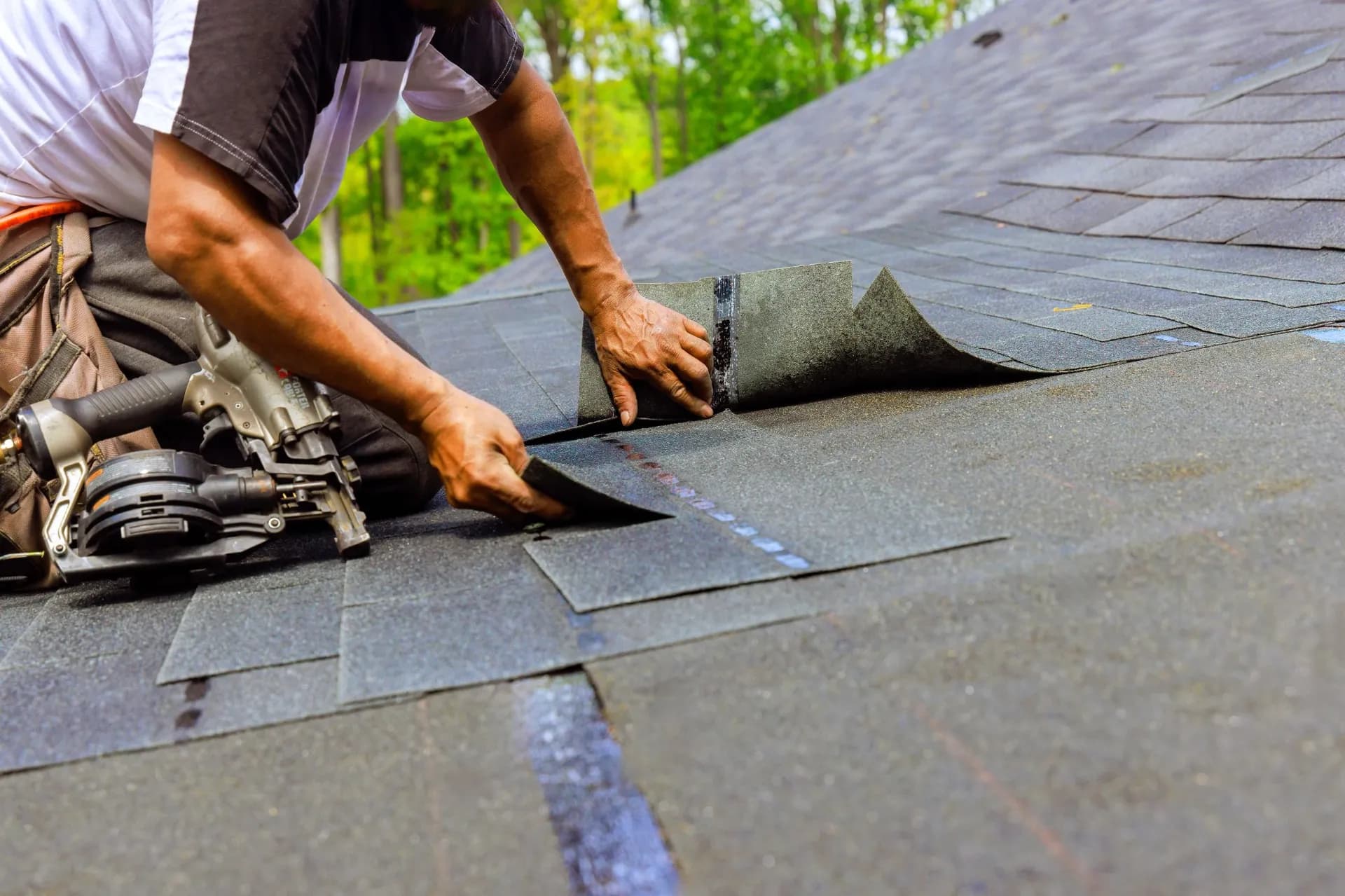
Once your claim is settled, you can move forward with repairs or replacement. Choose a local, licensed, and insured roofing contractor who has experience with insurance restoration work. In North Carolina, you have the right to choose any contractor you want, regardless of what your insurance company may suggest.
Be cautious of storm chasers, which are out-of-town contractors who flood into Charlotte after major hail events looking for work. While not all are dishonest, many lack local knowledge, may not carry proper North Carolina licensing and insurance, and will not be around to honor warranty claims if issues arise later. Working with a locally established roofing company gives you accountability and ongoing support.
What If You Missed the Hail Damage?
It is not uncommon for Charlotte homeowners to discover hail damage weeks or even months after a storm, perhaps during a routine inspection or when a leak develops. Most insurance policies allow claims to be filed within one year of the damage event, though this can vary by policy. If you suspect your roof has hail damage from a past storm, it is still worth having it inspected and filing a claim if warranted.
Get a Free Hail Damage Inspection from Peak Roofing
If you suspect your Charlotte home has hail damage, the team at Peak Roofing is ready to help. We offer free hail damage inspections for homeowners throughout the Charlotte metro area, including Ballantyne, NoDa, Concord, Huntersville, Matthews, Gastonia, Harrisburg, Fort Mill, Rock Hill, and all surrounding communities. Our team has over 10 years of experience identifying and documenting hail damage, and we work directly with your insurance company to make sure your claim is handled properly.
Don't wait for a leak to tell you what the hailstorm already did. Call Peak Roofing at (704) 313-9341 or request your free hail damage inspection online. We'll get on your roof, assess the damage, and walk you through what to do next.

Need Help with Your Roof?
Contact Peak Roofing today for a free roof inspection and estimate. Our experienced team is here to help Charlotte homeowners.