How Do I File a Roof Insurance Claim in North Carolina?
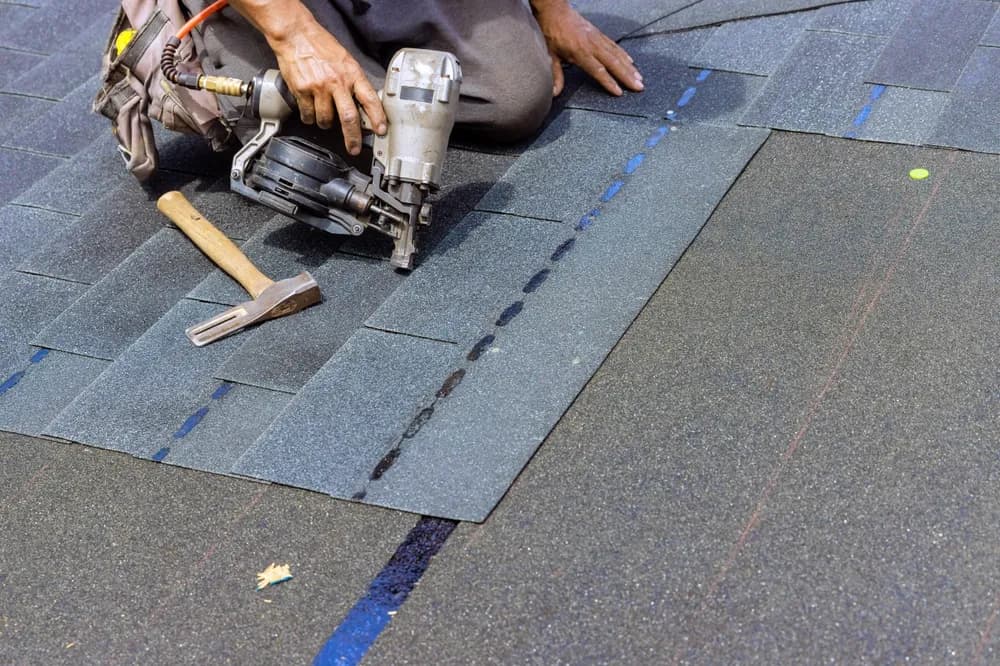
To file a roof insurance claim in North Carolina, start by documenting the damage with photos and then call your insurance company to open a claim. They will assign an adjuster to inspect your roof, and from there the process moves through estimation, approval, and finally the repair or replacement work.
That is the basic sequence, but the details at each step make a significant difference in the outcome. Having a roofing contractor involved early, understanding what your adjuster is looking for, and knowing your policy details can be the difference between a fully covered replacement and a lowball payout that does not cover the work. Here is every step of the process for Charlotte homeowners.
Step 1: Document the Damage
As soon as it is safe to do so after a storm, walk around your property and document what you see. Take photos of any visible roof damage from the ground, including missing or damaged shingles, dents in gutters and downspouts, damaged siding, broken skylights, and any debris on or around the roof. If you can safely see the roof from a second-story window or a neighbor's property, get photos from those angles too.
Also document the date and type of storm. Check local weather reports for specifics like hail size, wind speeds, and storm duration. Your insurance company will verify that a covered weather event occurred in your area on the date you report, so having this information ready speeds things up.
Do not get on the roof yourself. It is dangerous, especially after storm damage when shingles may be loose or wet. Leave the up-close inspection to a professional.
Step 2: Call a Roofer Before Calling Insurance
This is the step most homeowners skip, and it is one of the most important. Before you call your insurance company, have a professional roofing contractor inspect your roof. A trained roofer knows exactly what storm damage looks like, where to find it, and how to document it thoroughly.
When we do a storm damage inspection, we check every slope of the roof, all flashing points, pipe boots, ridge caps, and gutters. We take detailed photos with measurements and compile a damage report. This gives you a complete picture of the damage before the insurance adjuster ever sets foot on your property.
Why does this matter? Because adjusters are often handling dozens of claims at once, especially after a major storm rolls through the Charlotte area. They may spend 30 minutes on your roof. A roofer who is looking out for your interests spends longer and is more likely to catch damage in less obvious areas like valley flashing, step flashing along walls, and soft spots in the decking that indicate moisture damage.
Step 3: Open the Claim with Your Insurance Company
Call your insurance company's claims line and report the damage. You will need your policy number, the date of the storm, and a description of the damage. They will assign a claim number and schedule an adjuster to inspect the property, typically within one to two weeks, though it can be longer after a widespread storm event.
Some insurance companies now use satellite imagery or drone inspections instead of sending a person. If your claim is being handled remotely, providing your roofer's detailed inspection report becomes even more important because the remote assessment may miss damage that an on-roof inspection would catch.
Step 4: The Adjuster's Inspection
The insurance adjuster visits your property and inspects the roof to determine the extent of the damage and what the repair or replacement will cost. Ideally, your roofing contractor should be there for this inspection. Having a roofer present ensures that the adjuster sees every area of damage and that nothing gets overlooked.
We meet with adjusters regularly at homes across Charlotte, Tega Cay, Huntersville, Fort Mill, and the surrounding area. It is not adversarial. We are simply there to make sure the inspection is thorough and that the adjuster has the same information we do. Most adjusters appreciate having a knowledgeable contractor on-site because it makes their job easier.
What If the Adjuster Misses Damage?
It happens more often than you might think. If the adjuster's estimate does not match the damage your roofer documented, you can request a reinspection or submit supplemental documentation. Your roofer can provide additional photos, measurements, and a detailed scope of work that demonstrates why the original estimate was insufficient.
This supplement process is standard in the insurance industry. It is not confrontational. It is simply providing additional evidence to support the claim. Many claims are initially undervalued and later adjusted upward after the contractor provides supplemental information.
Step 5: Review the Estimate and Approval
After the inspection, your insurance company issues a damage estimate and a claims payout determination. Review this carefully and compare it to your roofer's assessment. The payout should cover the full cost of repairs or replacement with like-kind materials, minus your deductible.
If the payout covers a full replacement, you select your contractor and materials and schedule the work. If the payout only covers a partial repair and your roofer believes a full replacement is warranted, this is where supplemental documentation and sometimes a second adjuster visit come into play.
Step 6: The Roof Work
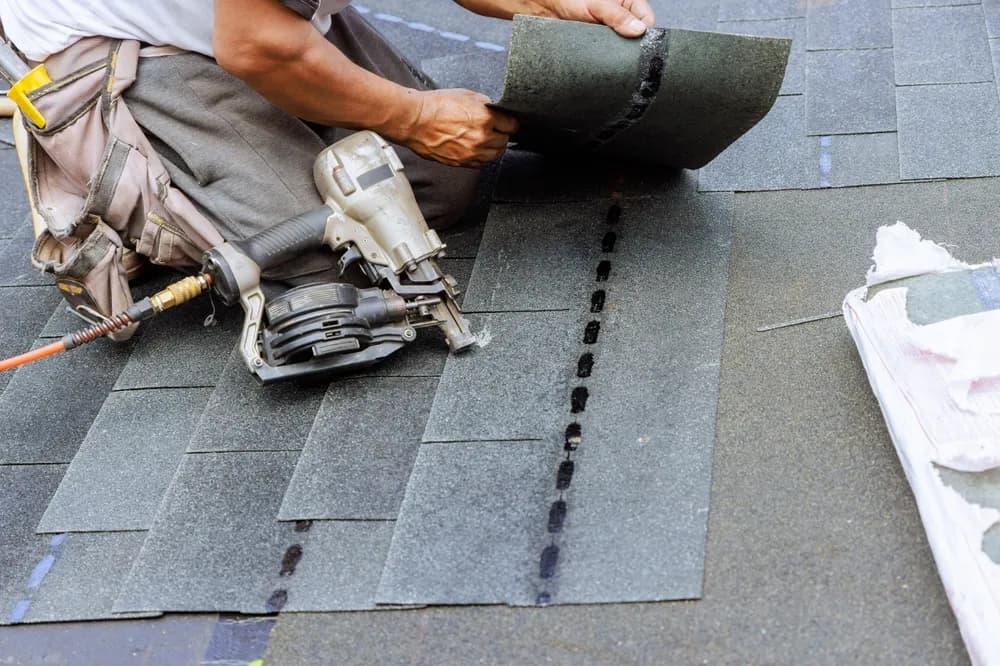
Once the claim is approved and the scope of work is agreed upon, the actual roof replacement or repair proceeds. The contractor handles the permit, orders materials, and schedules the crew. Most residential replacements in Charlotte take one to three days.
Insurance companies often issue payment in two phases. The first check, sometimes minus recoverable depreciation, comes after the claim is approved. The second check comes after the work is completed and the contractor provides documentation showing the job is done. Your contractor should be familiar with this process and can help ensure the documentation is submitted correctly so the final payment is released without delays.
Common Mistakes to Avoid
Waiting too long to file. Most policies require you to file a claim within a specific timeframe after the damage occurs, often one to two years. Do not wait. The sooner you file, the easier it is to prove the storm caused the damage.
Not having a roofer inspect first. Going into the claims process without an independent assessment puts you at a disadvantage. You are relying entirely on the adjuster's inspection, and you have no baseline to compare their estimate against.
Signing with a storm chaser. After major storms hit Charlotte, out-of-town contractors descend on neighborhoods offering free inspections and same-day contracts. Many of these companies inflate claims, do subpar work, and are gone before problems surface. Work with a local, licensed contractor who knows the insurance process and will still be here in two years if something needs attention.
Check our FAQ page for more on insurance claims, storm damage, and what to look for in a roofing contractor.
Let Peak Roofing Handle the Process
Peak Roofing has guided hundreds of Charlotte homeowners through the insurance claims process. We provide free storm damage inspections, meet with your adjuster, handle supplemental documentation, and make sure your claim reflects the full scope of work needed. Our goal is to make the process as straightforward as possible while making sure you get what your policy entitles you to.
Call us at (704) 313-9341 or contact us online to schedule a free inspection after your next storm.
Need Help with Your Roof?
Contact Peak Roofing today for a free roof inspection and estimate. Our experienced team is here to help Charlotte homeowners.