Storm Damage in Charlotte: What Every Homeowner Should Know
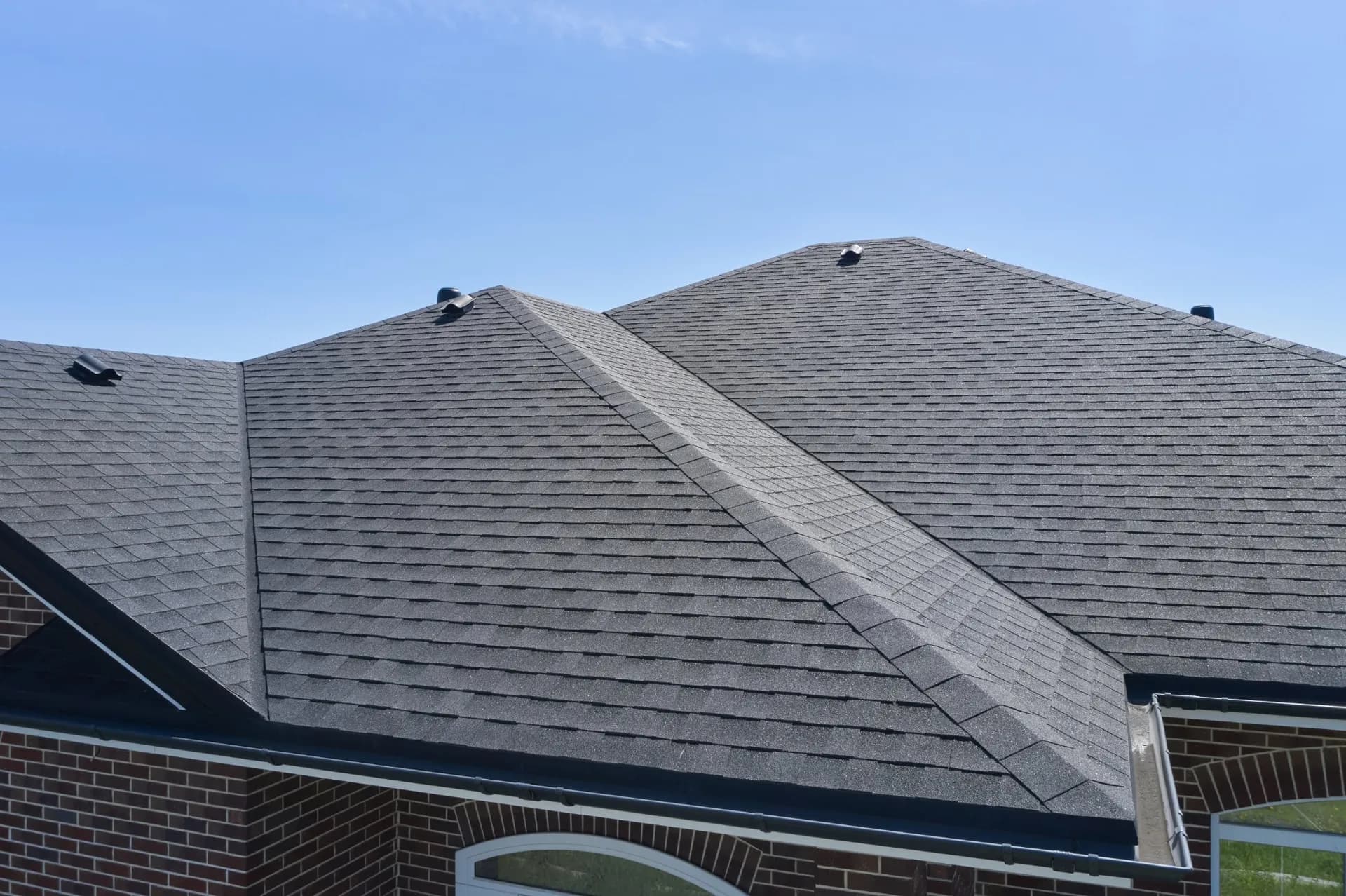
Storm damage in Charlotte is not a matter of if but when. Situated in the Piedmont region of North Carolina, the Charlotte metropolitan area experiences a wide range of severe weather events throughout the year. From powerful spring and summer thunderstorms packing damaging hail and straight-line winds, to hurricane remnants sweeping through in early fall, to the occasional ice storm in winter, Charlotte homeowners face weather threats that can cause significant roof damage in a matter of minutes.
Understanding what storm damage looks like, what to do immediately after a storm, and how to protect your home and your investment is essential knowledge for every homeowner in the Charlotte area. This guide covers everything you need to know about storm damage to your roof and the steps you should take to respond effectively.
Types of Storm Damage Common in Charlotte
Not all storm damage is the same, and different types of severe weather cause different kinds of damage to your roof. Knowing what to look for after each type of event can help you identify problems early before they lead to expensive interior damage.
Hail Damage
Hail damage from hailstorms is one of the most common causes of roof damage insurance claims in the Charlotte area. The Piedmont region typically sees several significant hail events each year, particularly between March and August. Hail can range from pea-sized to golf ball-sized or larger, and even smaller hail can cause substantial damage to asphalt shingles.
Hail damage on asphalt shingles typically looks like dark spots or bruises where the granules have been knocked loose, exposing the underlying asphalt. You may also see dents or cracks in the shingles themselves. The challenge with hail damage is that it often is not visible from the ground. You might not see any obvious problems, but a professional inspection from the roof surface reveals significant granule loss and impact marks across the entire roof.
Hail also damages other components of your roofing system. Look for dents in metal flashing, gutters, and downspouts. Check your air conditioning unit, mailbox, and any outdoor furniture for impact marks. These can serve as evidence of hail when you file an insurance claim.
Wind Damage
Charlotte regularly experiences strong winds during severe thunderstorms. Straight-line winds, which are different from tornadoes but can be equally destructive, frequently reach 50 to 70 mph during summer storms. These winds can lift and tear shingles from your roof, especially along edges and ridgelines where wind uplift forces are strongest.
Wind damage often appears as missing shingles, lifted or creased shingles, and exposed underlayment or decking. You may find shingles scattered in your yard or your neighbor's yard after a storm. Wind can also drive rain underneath shingles that have been lifted but not fully removed, causing hidden water damage that may not become apparent for weeks or months.
Fallen Tree and Debris Damage
Charlotte is a city known for its tree canopy, and many neighborhoods like Myers Park, Dilworth, Eastover, and Providence Plantation feature mature hardwood trees that tower over rooflines. While these trees add beauty and shade, they also pose a significant risk during storms. High winds can snap large limbs or topple entire trees onto roofs, causing punctures, structural damage, and immediate leaks.
Even without full tree failure, smaller branches and debris can damage shingles, clog gutters, and create conditions for water pooling and infiltration. After every significant storm, Charlotte homeowners should inspect their property for fallen limbs and debris on or around their roof.
Hurricane and Tropical Storm Damage
While Charlotte is located about 200 miles inland from the coast, the city is not immune to tropical weather. Hurricane remnants and tropical storms regularly track through the Piedmont region, bringing sustained winds, heavy rainfall, and sometimes tornadoes. Events like Hurricane Hugo in 1989 and Hurricane Florence in 2018 demonstrated that Charlotte can experience significant damage from tropical systems. Even weakened storms can dump 5 to 10 inches of rain in 24 hours and bring sustained winds strong enough to damage roofs across Mecklenburg County and surrounding areas.
What to Do Immediately After a Storm
The actions you take in the hours and days following a storm can significantly impact the condition of your home and the success of any insurance claim you file. Here is a step-by-step guide for what to do after storm damage in Charlotte.
Safety First
Before inspecting any damage, make sure it is safe. Stay away from downed power lines, and do not go onto your roof yourself. If your home has sustained major structural damage, do not enter until it has been deemed safe. Charlotte's emergency services and Duke Energy typically respond quickly after major storm events, but use caution and common sense in the immediate aftermath.
Perform a Ground-Level Inspection
Walk around your home and look for visible signs of damage. Check for missing or displaced shingles, damaged gutters, dented siding, broken windows, and fallen tree limbs on or near your roof. Look at your roof from across the street to get a broader view. Inside your home, check ceilings and walls for water stains, and go into your attic if accessible to look for daylight coming through or wet insulation.
Document Everything
Take extensive photos and videos of all damage you can see, both exterior and interior. Photograph your roof from multiple angles, capture close-ups of damaged areas, and include wide shots that show the overall scope. Note the date, time, and type of storm that caused the damage. Save local weather reports and any severe weather alerts you received. This documentation is critical for your insurance claim.
Make Temporary Repairs
If you have an active leak, take reasonable steps to prevent further damage. Place buckets or containers under leaks, and if you can safely do so, cover damaged areas of your roof with a tarp. Most insurance policies in North Carolina require homeowners to mitigate further damage, and the cost of emergency tarping and temporary repairs is typically covered by your policy. Save all receipts for materials and any emergency services you hire.
Signs of Storm Damage You Might Miss
Some storm damage is obvious, like a tree through your roof or a pile of shingles in your yard. But much of the damage caused by hail and wind is subtle and easy to miss, especially if you are only looking from the ground. Here are commonly missed signs of storm damage that Charlotte homeowners should be aware of.
- Granule accumulation in gutters: After a hailstorm, check your gutters and downspout discharge areas for excessive shingle granules. Heavy granule loss weakens your shingles and shortens their remaining lifespan.
- Dented or cracked flashing: Metal flashing around chimneys, vents, and skylights can be dented by hail, breaking the seal and creating entry points for water.
- Cracked pipe boots: The rubber boots around plumbing vent pipes on your roof can be cracked by hail impacts, which leads to slow leaks that can go undetected for months.
- Bruised shingles: Hail can bruise shingles without immediately breaking through. The damage weakens the shingle and leads to premature failure, but it may not be visible from the ground.
- Loosened ridge cap shingles: The shingles running along the peak of your roof are especially vulnerable to wind damage. They may be lifted or loosened without being completely torn off.
When to Call a Professional for a Storm Damage Inspection
If there has been a significant storm in the Charlotte area with confirmed hail, high winds, or heavy rainfall, it is worth having your roof professionally inspected even if you do not see obvious damage from the ground. Many types of storm damage are only visible from the roof surface, and catching problems early can prevent costly secondary damage like water intrusion, mold growth, and rotted decking.
A professional storm damage inspection involves a thorough examination of every component of your roofing system, including shingles, flashing, vents, pipe boots, ridge caps, drip edge, and gutters. The inspector will document all damage with photos and measurements, providing you with a detailed report that can be used to support an insurance claim if necessary.
Protecting Your Charlotte Home from Future Storm Damage
While you cannot prevent severe weather, you can take steps to minimize the damage storms cause to your roof. Regular maintenance, including annual professional inspections, keeping gutters clean, and trimming tree branches that overhang your roof, goes a long way toward protecting your home. When it is time for a roof replacement, choosing impact-resistant shingles with a high wind rating, such as architectural shingles rated for 110 to 130 mph winds, provides better protection against the storms common in the Charlotte area.
Proper attic ventilation also plays an important role. A well-ventilated attic keeps your roof decking cooler and drier, which helps shingles maintain their adhesive bond and resist wind uplift. In Charlotte's hot and humid climate, good ventilation is especially critical.
Get a Free Storm Damage Inspection from Peak Roofing
If your Charlotte home has been hit by a storm, the team at Peak Roofing is here to help. We offer free storm damage inspections for homeowners throughout the Charlotte metro area, including Concord, Huntersville, Matthews, Mooresville, Indian Trail, Fort Mill, Rock Hill, and all surrounding communities. With over 10 years of roofing experience, we know exactly what to look for and will provide you with an honest assessment of your roof's condition.
We also assist with the insurance claims process, working directly with your adjuster to make sure all damage is properly documented and accounted for. Call Peak Roofing today at (704) 313-9341 or contact us online to schedule your free storm damage inspection. We are here to help you protect your home and get the repairs you need.

Need Help with Your Roof?
Contact Peak Roofing today for a free roof inspection and estimate. Our experienced team is here to help Charlotte homeowners.