How to Know When Your Charlotte Home Needs a New Roof: 10 Warning Signs
Your roof is one of the most important parts of your Charlotte home, but it is also one of the easiest to ignore. Out of sight, out of mind, right? The problem is that by the time you notice a leak dripping into your living room, the damage may have been developing for months or even years. Knowing when your Charlotte home needs a new roof can save you thousands in interior repairs and help you sleep through the next thunderstorm.
Living in Charlotte means your roof deals with a lot. Hot, humid summers above 90 degrees. Severe thunderstorms from March through September. The occasional ice storm in winter. And every few years, remnants of a hurricane rolling through the Piedmont. All of that adds up. Here are 10 warning signs that your roof may be telling you it needs to go.
1. Your Roof Is 20 Years Old or Older
Most asphalt shingle roofs, which are the most common roofing material in the Charlotte metro area, are designed to last between 20 and 30 years. If your roof is approaching or has passed the 20-year mark, it is time to start paying close attention. Homes in neighborhoods like Dilworth, Myers Park, and Plaza Midwood often have older roofs that may be nearing the end of their lifespan. Even if your roof looks acceptable from the ground, the underlying materials may be deteriorating.
2. Curling or Buckling Shingles
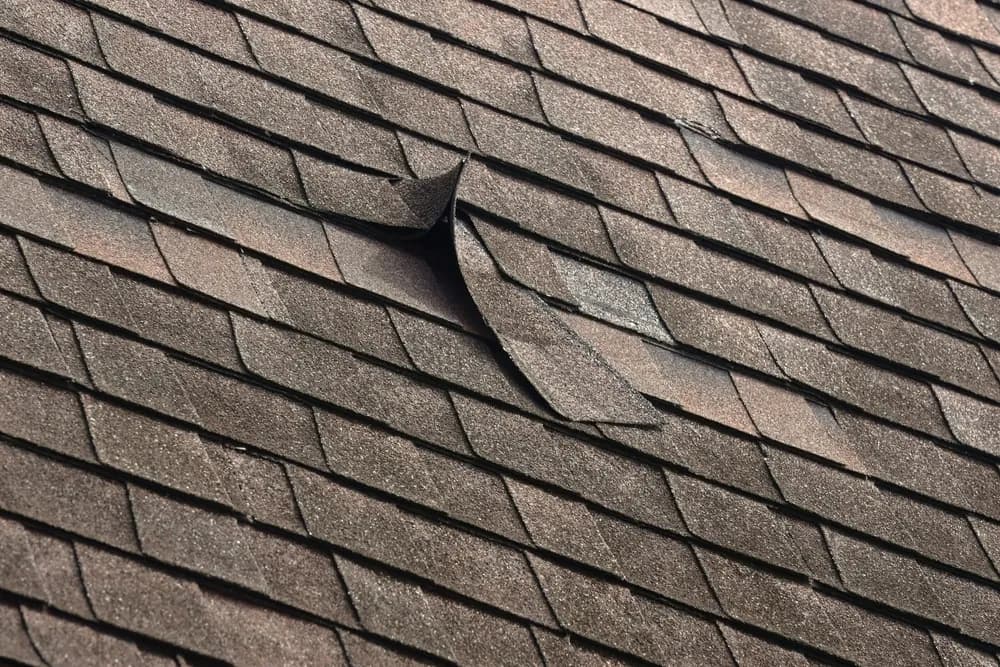
Take a look at the slopes of your roof that get direct afternoon sunlight. If the shingles are curling at the edges, cupping in the middle, or buckling in visible waves, this is a clear sign of weathering. Charlotte's intense summer heat and UV exposure accelerate shingle deterioration. When shingles curl, they lose their ability to shed water properly and become vulnerable to wind uplift during our frequent thunderstorms.
What Causes Shingle Curling?
Several factors contribute to curling shingles in the Charlotte area. Excessive heat in poorly ventilated attics is a major cause. When attic temperatures climb above 150 degrees during our July and August heat waves, the shingles essentially bake from both sides. Moisture trapped beneath the shingles from our humid climate can also cause them to warp and curl over time.
3. Missing Shingles
After a strong storm blows through the Charlotte area, take a walk around your property and look up. Missing shingles are obvious gaps in your roof's defense system. While a few missing shingles can sometimes be repaired, widespread loss often indicates that the adhesive strip holding shingles down has failed, which means the entire roof is compromised. Charlotte regularly experiences straight-line winds of 50 to 60 mph during severe thunderstorms, and these winds can tear weakened shingles right off.
4. Granules in Your Gutters
Check your gutters and downspouts after a rainstorm. If you find a significant accumulation of dark, gritty granules, your shingles are losing their protective coating. A small amount of granule loss is normal on newer roofs, but heavy granule loss on an aging roof means the shingles are breaking down. Those granules protect the asphalt from UV rays, so once they are gone, deterioration speeds up rapidly. Given that Charlotte receives an average of 43 inches of rain per year, your gutters can tell you a lot about your roof's condition.
5. Daylight Through the Roof Boards
Head up to your attic on a sunny day and turn off the lights. If you can see small pinpoints of daylight coming through the roof boards, that means water can get in too. This is especially concerning for Charlotte homeowners because even a small opening can let in significant moisture during our heavy summer downpours. Check for any areas where the roof decking feels spongy or soft underfoot, which indicates water damage and rot.
6. Sagging Roofline
Step back from your home and look at the roofline. It should be straight and level. If you notice any sagging, dipping, or waviness, this could indicate a serious structural problem. Sagging can be caused by long-term water infiltration that has rotted the roof decking or even the structural supports beneath. This is not a problem to ignore. A sagging roof in areas like University City, Ballantyne, or Huntersville needs immediate professional attention before it becomes a safety hazard.
7. Water Stains on Interior Ceilings or Walls
Brown or yellowish water stains on your ceilings or walls are a telltale sign of a roof leak. The tricky part is that water can travel along rafters and sheathing before dripping down, so the stain may not be directly below the actual leak. If you notice water stains appearing or growing after rainstorms, your roof has a breach somewhere that needs to be found and addressed. In Charlotte's climate, where we can get several inches of rain in a single storm, even a small leak can cause significant interior damage quickly.
8. Higher Energy Bills
Have your heating or cooling costs been creeping up without explanation? A failing roof often means failing insulation and ventilation. When your roof's underlayment and decking deteriorate, they lose their insulating properties. During Charlotte's hot summers, when air conditioning accounts for a major portion of your energy bill, a compromised roof can make your HVAC system work much harder than it should. If your energy bills have spiked, your roof could be a contributing factor.
9. Moss or Algae Growth
Charlotte's warm, humid climate creates ideal conditions for moss and algae growth on roofs, particularly on north-facing slopes that get less direct sunlight. While dark streaks from algae are mostly a cosmetic issue, moss is more concerning. Moss holds moisture against the roof surface and can work its way under shingles, lifting them and allowing water to penetrate. Homes in tree-heavy neighborhoods like Myers Park, Eastover, and parts of South Charlotte are especially susceptible to moss growth.
When Is Moss a Serious Problem?
If moss has spread across large sections of your roof and has been growing for an extended period, it may have already caused damage to the shingles underneath. While moss can sometimes be cleaned from a roof that is still in good condition, heavy moss on an aging roof is often a sign that replacement is the better investment.
10. Damaged or Missing Flashing
Flashing is the metal material installed around chimneys, vents, skylights, and where roof planes meet. It is one of the most common sources of roof leaks. If your flashing is cracked, rusted, bent, or missing entirely, water is likely getting into your home. Charlotte's freeze-thaw cycles in winter, where temperatures can swing from the low 20s at night to the 50s during the day, cause metal flashing to expand and contract repeatedly, which can break seals over time.
What to Do If You Notice These Warning Signs
If you have identified one or more of these warning signs on your Charlotte home, the most important next step is to get a professional roof inspection. A trained roofing professional can assess the overall condition of your roof, identify damage that is not visible from the ground, and give you an honest recommendation about whether a repair or full roof replacement is the right call.
Catching problems early is the difference between a $500 repair and a $15,000 replacement cost. It also keeps water out of your home — and in Charlotte's humidity, even a small leak can turn into a mold problem fast.
Schedule Your Free Roof Inspection with Peak Roofing
If any of these warning signs sound familiar, do not wait until the next big storm to find out how serious the problem is. Peak Roofing offers free, no-obligation roof inspections for homeowners throughout the Charlotte metropolitan area, including Ballantyne, South End, NoDa, Matthews, Huntersville, Concord, Fort Mill, and all surrounding communities. Our team brings over 10 years of roofing experience to every inspection, and we will give you a straightforward assessment of your roof's condition along with a free estimate if work is needed.
Give us a call today at (704) 313-9341 or contact us online to schedule your free inspection. Your roof is protecting everything underneath it, so let us make sure it is up to the job.

Need Help with Your Roof?
Contact Peak Roofing today for a free roof inspection and estimate. Our experienced team is here to help Charlotte homeowners.