What Roofing Certifications Should I Look for in a Contractor?
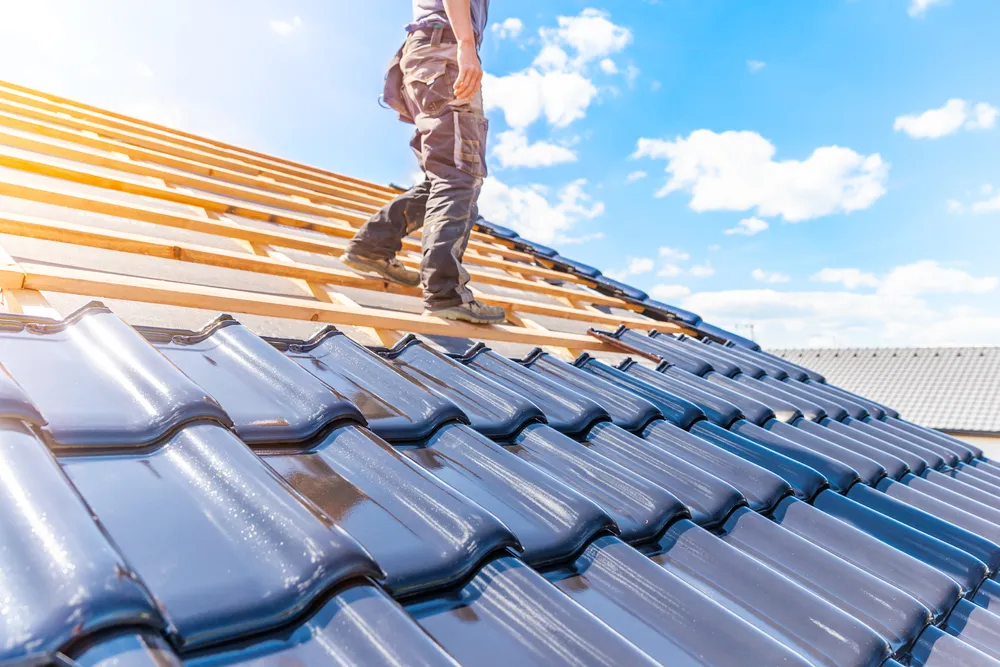
The most important certifications to look for in a roofing contractor are manufacturer certifications from companies like GAF, Owens Corning, or CertainTeed, along with a valid North Carolina general contractor license and proof of both general liability insurance and workers' compensation coverage. These tell you the contractor has met specific training and quality standards, not just that they own a truck and a nail gun.
Certifications matter because they directly affect two things you care about: the quality of the installation and the warranty coverage you receive. A contractor who has invested in manufacturer training is more likely to install your roof correctly, and certified contractors can offer better warranty options that uncertified ones cannot. Here is what each certification actually means and why it matters for Charlotte homeowners.
Manufacturer Certifications: What They Mean
The three largest asphalt shingle manufacturers in North America are GAF, Owens Corning, and CertainTeed. Each runs a certification program for roofing contractors, and each has multiple tiers. Higher tiers require more training, better track records, and stricter standards, and they unlock better warranty options for the homeowner.
GAF Certification Levels
GAF is the largest roofing manufacturer in North America, and their certification program is the most widely recognized. They have three tiers:
Certified Contractor: The entry level. Requires proper licensing, adequate insurance, and a commitment to using GAF products. Gives access to GAF's standard warranty options.
Master Elite: The highest tier. Only about 3 percent of roofing contractors in the country hold this designation. Requires a proven reputation, ongoing training, and a commitment to installation excellence. Master Elite contractors can offer GAF's best warranty, the Golden Pledge, which covers both materials and workmanship for up to 25 years. Read our comparison of GAF, Owens Corning, and CertainTeed for more detail on how the manufacturer programs stack up.
Owens Corning Certification
Owens Corning's top-tier program is the Platinum Preferred Contractor network. These contractors have met strict requirements for licensing, insurance, reputation, and training. Platinum Preferred contractors can offer the Owens Corning Platinum Protection warranty, which includes workmanship coverage backed by Owens Corning rather than just the contractor.
CertainTeed Certification
CertainTeed's top tier is the SELECT ShingleMaster designation. It requires factory training, proper licensing and insurance, and a commitment to quality installation practices. SELECT ShingleMaster contractors can offer CertainTeed's 5-Star warranty, which provides the most comprehensive coverage available with their products.
Why Manufacturer Certifications Matter to You
The practical benefit of hiring a certified contractor boils down to warranty protection. Any licensed contractor can install shingles, but the warranty you receive varies dramatically based on their certification level.
A non-certified contractor installing GAF shingles can only offer the basic material warranty, which covers manufacturing defects in the shingles themselves. If the shingles fail because of a manufacturing problem, GAF covers it. But if the roof fails because it was installed incorrectly, you are on your own, relying entirely on whatever workmanship warranty the contractor offers, assuming they are still in business.
A certified contractor can offer enhanced warranties that include workmanship coverage backed by the manufacturer. This means if the installation was done wrong, the manufacturer steps in to cover the fix, even if the contractor is no longer available. In an industry where companies come and go, having a manufacturer standing behind the installation is valuable protection. Visit our guide to roof warranties for a full breakdown of what different warranties cover.
State Licensing: The Non-Negotiable
North Carolina requires roofing contractors to hold a general contractor license for projects above $30,000. Even for smaller projects, many local jurisdictions require licensing. You can verify a contractor's license status through the North Carolina Licensing Board for General Contractors website.
A valid license means the contractor has met minimum competency requirements and is operating legally. An unlicensed contractor may be cheaper, but they are operating outside the law, which should make you question what other shortcuts they are willing to take. If something goes wrong on your Charlotte home, an unlicensed contractor gives you very little recourse.
Insurance: Protecting Yourself
Two types of insurance matter: general liability and workers' compensation.
General liability covers damage to your property during the job. If the crew accidentally damages your siding, landscaping, or an interior ceiling, the contractor's liability insurance covers the repair.
Workers' compensation covers injuries to workers on the job. If a roofer gets hurt on your property and the contractor does not carry workers' comp, you could be held liable. This is not theoretical. It happens. Always ask for a certificate of insurance and verify it is current before any work starts.
What About OSHA Training and Safety Certifications?
While not customer-facing in the same way as manufacturer certifications, contractors who invest in OSHA safety training and fall protection certification are demonstrating a commitment to doing things the right way. Roofing is one of the most dangerous trades, and a company that takes safety seriously is generally more professional across the board.
How to Verify Certifications
Legitimate contractors will provide proof of their certifications when asked. You can also verify manufacturer certifications directly through each manufacturer's website, which maintains searchable databases of certified contractors in your area. For North Carolina licensing, the NC Licensing Board website lets you search by company name.
Do not just take a contractor's word for it. Verify independently. A contractor who hesitates to provide proof or makes excuses is waving a red flag. A reputable roofer in Huntersville, Concord, Fort Mill, or anywhere in the Charlotte metro will hand over their credentials without hesitation. Check our FAQ page for more on what to look for when hiring a roofer.
Get a Free Estimate from Peak Roofing
Peak Roofing is licensed and insured in both North Carolina and South Carolina. We bring over 10 years of roofing experience to every project and stand behind our work with strong workmanship warranties. We are happy to provide proof of our credentials any time you ask.
Call us at (704) 313-9341 or contact us online to schedule a free roof inspection and estimate.
Need Help with Your Roof?
Contact Peak Roofing today for a free roof inspection and estimate. Our experienced team is here to help Charlotte homeowners.