What Questions Should I Ask a Roofer Before Hiring?
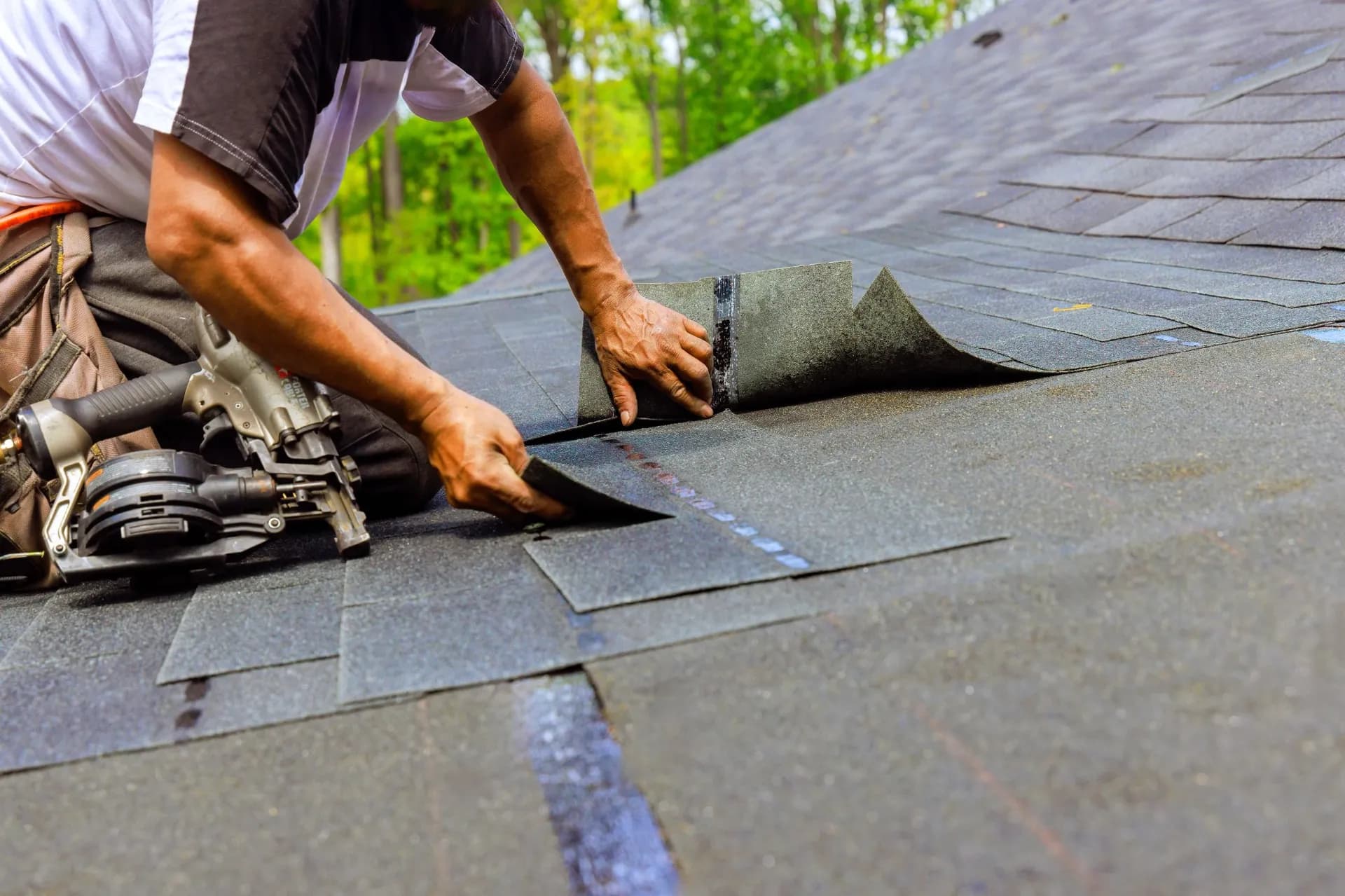
The most important questions to ask before hiring a roofer are: Are you licensed and insured in North Carolina? Will you provide a written estimate with a detailed scope of work? What workmanship warranty do you offer? Who will manage the crew on-site? And will you pull the building permit? A contractor who answers these confidently and completely is probably running a professional operation.
Hiring a roofer is not like picking a restaurant. If you choose wrong, you are stuck with the consequences for 20 years or more. The good news is that asking the right questions upfront tells you almost everything you need to know about the quality of contractor you are dealing with. Here are the questions that matter most and what to listen for in the answers.
Licensing and Insurance
"Are you licensed in North Carolina as a general contractor?"
North Carolina requires a general contractor license for roofing projects above $30,000. Even for smaller jobs, a valid license demonstrates that the contractor has met minimum competency requirements and is operating within the law. You can verify any contractor's license through the NC Licensing Board website. If a contractor hesitates, makes excuses, or says they do not need one, cross them off your list.
"Do you carry general liability insurance and workers' compensation?"
General liability covers damage to your property during the job. Workers' comp covers crew injuries on your property. Both are essential. Ask for a certificate of insurance and verify it is current. If a roofer gets hurt on your roof and the company has no workers' comp, the liability can fall on you as the homeowner. This is a non-negotiable requirement.
Scope of Work
"Will you provide a written estimate with a detailed scope?"
A professional estimate should specify the shingle brand and product line, the type of underlayment, whether a full tear-off is included, what flashing work is covered, ventilation details, cleanup procedures, the building permit, and warranty terms. If the estimate is just a single number without detail, you have no way to compare it against other bids and no documentation if a dispute arises later. Read our guide to choosing a contractor for more on what a complete estimate looks like.
"Will you do a full tear-off?"
The answer should be yes for almost every roof replacement. A full tear-off means removing all existing roofing material down to the decking, inspecting the decking for damage, and starting fresh. Some contractors will suggest going over the existing shingles to save cost. While this is technically allowed by code for up to two layers, it hides problems with the decking, voids most manufacturer warranties, and reduces the lifespan of the new roof. A contractor who defaults to tear-off is putting quality first.
"What happens if you find rotted decking?"
This is a common discovery during tear-off, especially in the Charlotte area where humidity and rain create ideal conditions for wood rot. A good contractor will have a clear policy: they will replace damaged decking at a set price per sheet (typically $50 to $75 per sheet of plywood or OSB) and will contact you if the extent of the damage is beyond what was expected. A vague answer or an attempt to avoid this question is a concern.
Warranty
"What warranty do you offer on your workmanship?"
The shingles come with a manufacturer warranty that covers material defects. That exists regardless of who installs them. The workmanship warranty, which covers the installation itself, comes from the contractor. Ask how long it lasts, what it covers, whether it is transferable to a new owner if you sell, and what the process is for making a warranty claim.
A workmanship warranty of 5 to 10 years from a stable, local company is solid. Be skeptical of "lifetime" workmanship warranties from small companies, because the warranty is only as good as the company backing it. If the company closes in three years, the warranty is worthless. Visit our FAQ page for more on understanding the difference between material and workmanship warranties.
Project Management
"Who will be on-site managing the crew?"
A good contractor has a project manager or foreman who oversees the work on-site. This person ensures the job is done according to the estimate specifications, manages the crew, handles any unexpected issues like decking damage, and serves as your point of contact during the installation. If the answer is nobody, or the owner says they will check in occasionally, that means the crew is working without supervision, which increases the risk of mistakes.
"Do you handle the building permit?"
In Mecklenburg County and most surrounding jurisdictions, a building permit is required for roof replacements. The contractor should pull the permit and schedule the post-installation inspection as a standard part of the job. If a contractor suggests skipping the permit to save money, walk away. Unpermitted work creates problems when you sell your home and may void your insurance coverage.
Timeline and Communication
"What is your current scheduling timeline?"
This tells you how busy they are and how long you will wait. A popular contractor in the Charlotte area might be booked out two to four weeks, especially during peak season. That is normal and often a positive sign. If someone can start tomorrow, it could mean they are efficient and just had a cancellation, or it could mean nobody else is hiring them.
"How will you communicate updates during the job?"
You want to know when the crew will arrive, how you will be notified of any changes or discoveries during the job, and what happens if weather causes a delay. A contractor who has a clear communication process is more likely to run a smooth project than one who says they will just call you when it is done.
Payment
"What are your payment terms?"
Standard practice in the Charlotte roofing market is a deposit of 10 to 30 percent to secure the scheduling and order materials, with the balance due upon completion. Some contractors require no money upfront. Be cautious of anyone who asks for more than 50 percent before work starts or demands full payment before the job begins. That puts you in a vulnerable position if something goes wrong.
The Right Answers Tell You Everything
A contractor who answers all of these questions clearly, directly, and without hesitation is almost certainly running a professional operation. Evasive answers, vague promises, and attempts to redirect the conversation are warning signs. Trust your instincts. The way a roofer handles your questions during the estimate process is a preview of how they will handle your project. Homeowners across Weddington, Cornelius, Rock Hill, and all of Charlotte should hold their contractor to this standard.
Get Straight Answers from Peak Roofing
Peak Roofing is happy to answer every question on this list and any others you have. We are licensed and insured, we provide detailed written estimates, we do full tear-offs on every job, we pull permits, and we stand behind our work with a strong workmanship warranty. We have over 10 years of roofing experience across the Charlotte area and our reputation matters to us.
Call us at (704) 313-9341 or contact us online to schedule a free roof inspection and estimate.


Need Help with Your Roof?
Contact Peak Roofing today for a free roof inspection and estimate. Our experienced team is here to help Charlotte homeowners.