What Are Architectural Shingles?
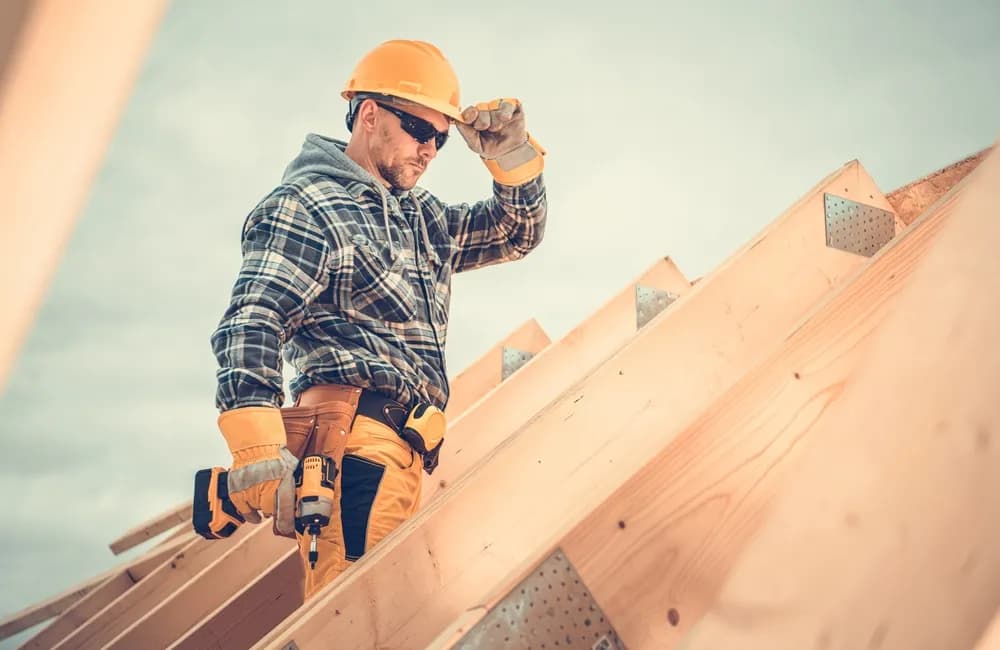
Architectural shingles are a type of asphalt shingle built with two or more layers of material laminated together, creating a thicker, more dimensional appearance on your roof. They're also called laminated shingles or dimensional shingles, and they account for roughly 80 percent of all new residential roofing installations in the United States.
If you're shopping for a new roof or trying to understand what a contractor is recommending, this guide breaks down everything you need to know about architectural shingles — what makes them different, what they cost, how long they last, and whether they're the right choice for your home.
How Architectural Shingles Are Made
All asphalt shingles start with a base mat, usually fiberglass, coated with asphalt and topped with ceramic-coated mineral granules that protect against UV rays and weather. What sets architectural shingles apart is their construction method.
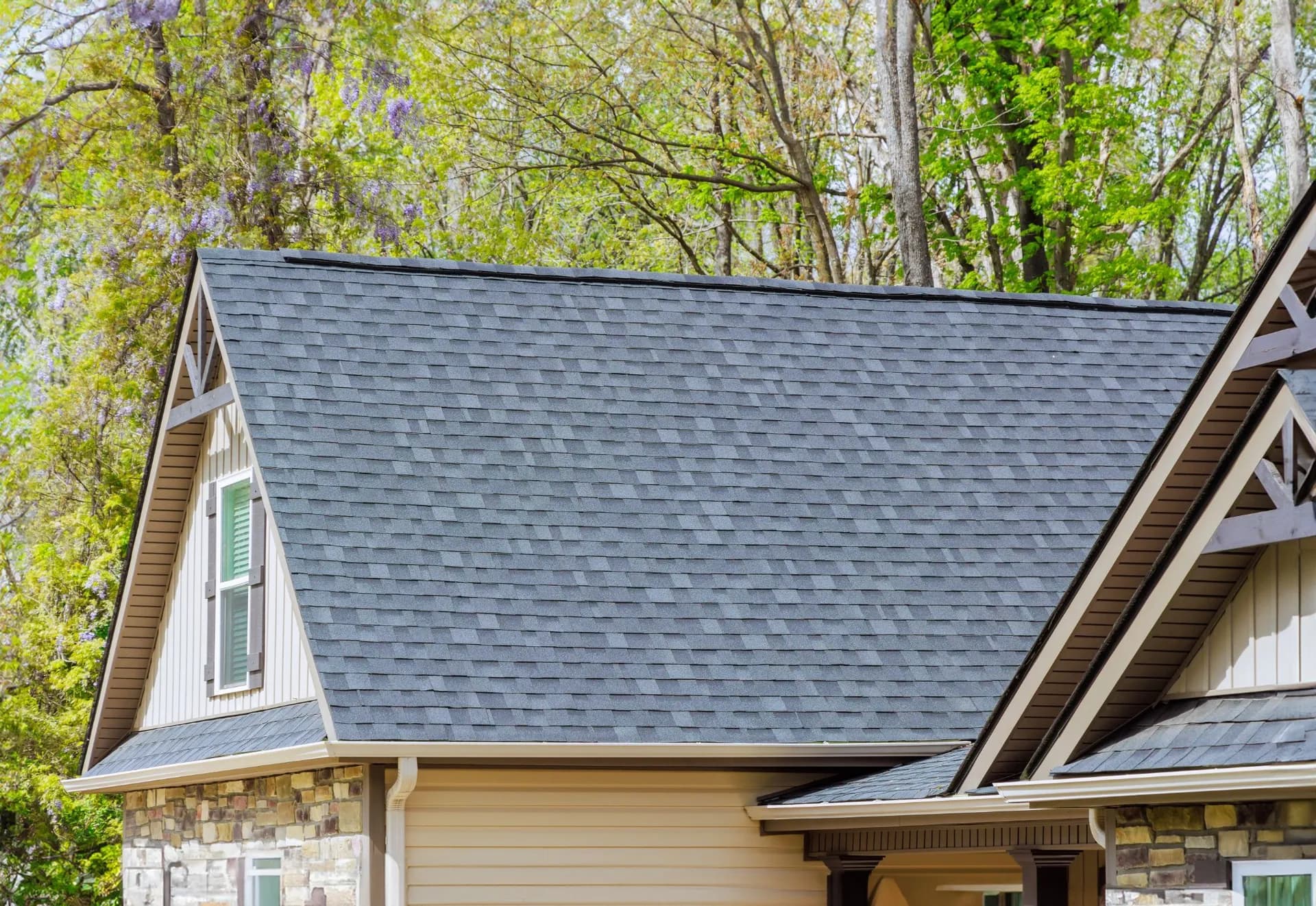
A standard 3-tab shingle is a single flat layer with three uniform cutouts along the bottom edge. An architectural shingle uses two or more layers of material bonded together. The top layer is cut into irregular shapes and sizes, then laminated onto the base layer. This creates a staggered, textured look that mimics the appearance of natural materials like wood shake or slate.
The extra layer of material serves more than a cosmetic purpose. It adds weight and thickness, which improves wind resistance, impact resistance, and overall durability. A typical architectural shingle weighs between 240 and 350 pounds per square (100 square feet), compared to about 200 pounds per square for a standard 3-tab shingle.
Architectural Shingles vs. 3-Tab Shingles
Understanding the differences between architectural and 3-tab shingles comes down to a few key factors.
Appearance
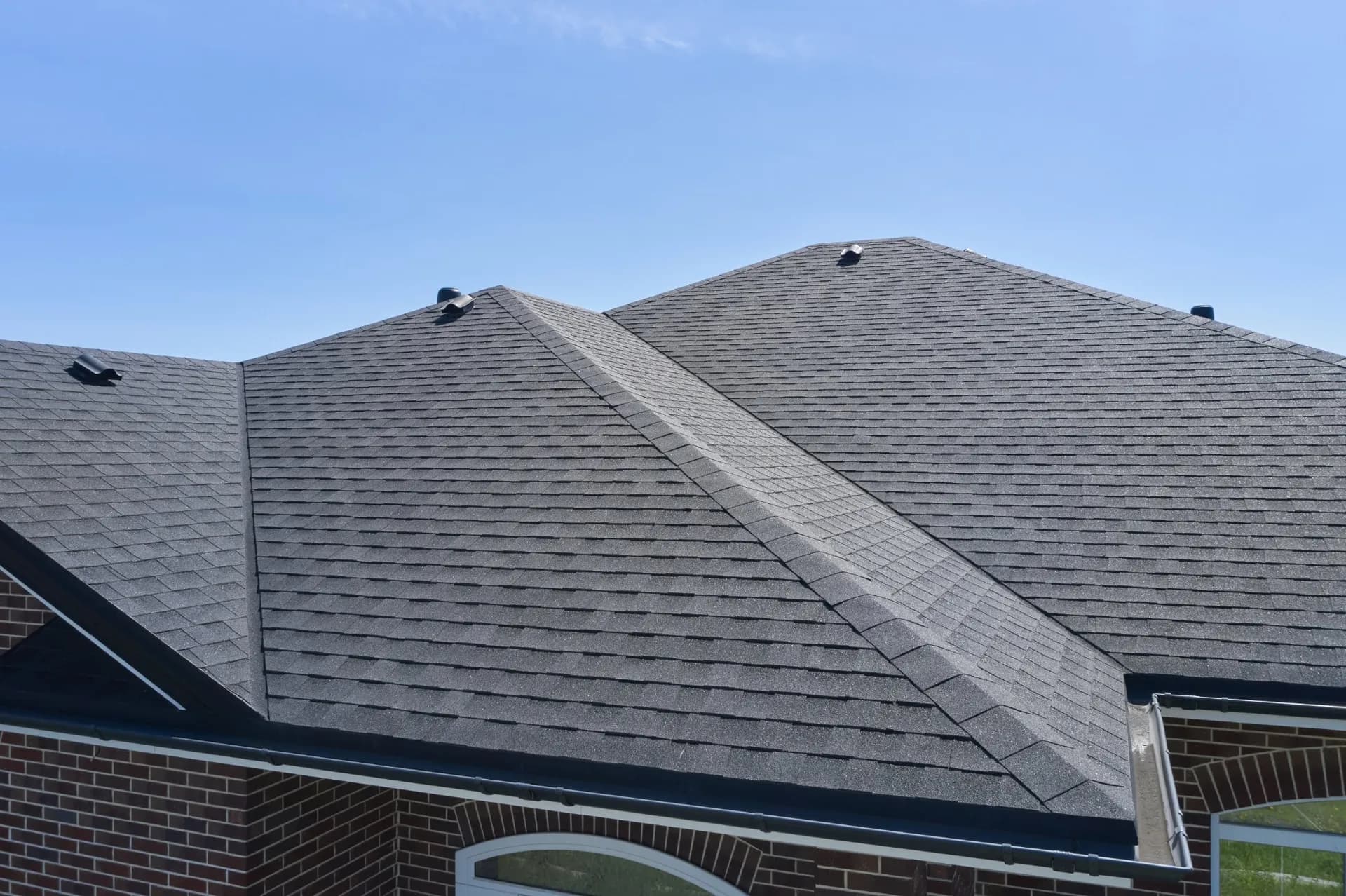
Three-tab shingles create a flat, uniform look with identical rectangular tabs repeating across every row. Architectural shingles have a random, layered pattern that creates depth and shadow lines across the roof. From the street, architectural shingles give a more premium, textured appearance.
Durability
Three-tab shingles are rated for winds up to 60-70 mph. Most architectural shingles carry wind ratings of 110-130 mph because the laminated layers are harder to lift and peel. The heavier construction also performs better against hail and impact.
Lifespan
Three-tab shingles typically come with 20-25 year warranties. Architectural shingles generally carry warranties of 30 years, with premium lines offering limited lifetime warranties. Real-world performance depends on climate, ventilation, and installation quality, but architectural shingles consistently outlast their 3-tab counterparts.
Cost
Architectural shingles cost about 15-30 percent more than 3-tab shingles for materials. On a typical residential roof, the difference in total project cost usually runs between $1,000 and $3,000. Given the longer lifespan and better warranties, most homeowners find the added investment worth it.
Warranty Coverage
Three-tab warranties are straightforward — they cover manufacturing defects for a set period. Architectural shingle warranties from major manufacturers like GAF, Owens Corning, and CertainTeed tend to be more comprehensive, often including enhanced wind and algae resistance coverage.
Types of Architectural Shingles
Not all architectural shingles are the same. Manufacturers offer several tiers.
Standard Architectural
This is the baseline product line — two layers laminated together with a dimensional profile. Examples include GAF Timberline HDZ, Owens Corning Duration, and CertainTeed Landmark. These represent the sweet spot of price and performance for most homeowners.
Premium or Designer Architectural
These use additional layers and specialized cuts to closely replicate the look of slate, cedar shake, or other natural materials. They're thicker, heavier, and more expensive. Examples include GAF Camelot, Owens Corning Berkshire, and CertainTeed Grand Manor. Premium architectural shingles can cost two to three times more than standard architectural lines.
Impact-Resistant Architectural
Designed to withstand hail and flying debris, these shingles meet the UL 2218 Class 4 impact resistance standard. They use modified asphalt formulations and reinforced construction. Many insurance companies offer premium discounts for Class 4 rated roofing. If your area sees regular hailstorms, impact-resistant architectural shingles are worth considering.
How Long Do Architectural Shingles Last?
Manufacturer warranties for architectural shingles range from 30 years to limited lifetime, but actual lifespan depends on several factors:
- Climate: Extreme heat, frequent freeze-thaw cycles, and high humidity accelerate aging. Roofs in mild climates tend to last longer.
- Ventilation: Proper attic ventilation prevents heat buildup that degrades shingles from below. Without adequate ventilation, even premium shingles can fail prematurely.
- Installation quality: Shingles that aren't properly nailed, aligned, or sealed won't perform to their rated specifications. This is why choosing an experienced contractor matters.
- Maintenance: Keeping gutters clear, trimming overhanging branches, and addressing minor issues before they spread all contribute to longer roof life.
- Color: Darker shingles absorb more heat, which can slightly reduce lifespan in hot climates compared to lighter colors.
Under normal conditions with proper installation and ventilation, you can reasonably expect 25-30 years from standard architectural shingles and potentially longer from premium lines.
Are Architectural Shingles Worth the Extra Cost?
For most homeowners, yes. Here's why:
The cost difference between 3-tab and architectural shingles on a typical home is relatively small — usually a few thousand dollars on a project that already costs $8,000 to $15,000 or more. In exchange, you get a roof that looks better, lasts longer, resists wind and hail better, and carries a stronger warranty.
Three-tab shingles have been declining in popularity for years. Many manufacturers have reduced their 3-tab product lines, and some contractors no longer install them. From a resale standpoint, architectural shingles are now the expected standard in most markets. Installing 3-tab shingles on a home in a neighborhood full of architectural shingle roofs could actually hurt your home's perceived value.
The only scenario where 3-tab shingles might make sense is on a rental property, a detached garage, or a home you plan to sell very soon where minimizing upfront cost is the top priority.
Popular Architectural Shingle Brands
The three largest shingle manufacturers in North America all produce well-regarded architectural lines:
- GAF Timberline HDZ: The best-selling shingle in North America. Features StainGuard Plus algae protection and LayerLock technology for enhanced wind performance. Available in a wide range of colors.
- Owens Corning Duration: Known for their SureNail technology strip that provides a visible nailing target and improved wind resistance. Offers TruDefinition color technology for a richer appearance.
- CertainTeed Landmark: Features a wide color palette and dual-layer construction with Max Def color technology. Backed by one of the industry's strongest warranty programs when installed by credentialed contractors.
All three brands produce quality products. The best choice often comes down to color preferences, local availability, and which contractor certifications your roofer holds.
Installation Considerations
Architectural shingles are installed using the same basic techniques as any asphalt shingle — they're nailed to the roof deck over underlayment, working from the bottom edge upward. However, there are a few things specific to architectural shingles:
- Nailing pattern: Most manufacturers require a specific nailing zone on architectural shingles. Missing this zone is one of the most common installation errors and can void your warranty.
- Starter strips: Architectural shingles require compatible starter strips along the eaves and rakes to seal properly and resist wind uplift.
- Ventilation requirements: Manufacturers specify minimum ventilation requirements. Failing to meet these can void the warranty even if the shingles are installed correctly.
- Deck condition: The extra weight of architectural shingles isn't a concern for most roofs, but the deck must be smooth, dry, and properly fastened. Any damaged or warped decking should be replaced before installation.
Get a Free Roofing Estimate
If you're considering architectural shingles for your home, Peak Roofing can help you choose the right product and color for your budget and preferences. We install all major brands and back every installation with manufacturer warranties.
Call us at (704) 313-9341 or request a free estimate online to get started.
Need Help with Your Roof?
Contact Peak Roofing today for a free roof inspection and estimate. Our experienced team is here to help Charlotte homeowners.