How to Spot a Bad Roofing Job Before You Pay the Final Bill
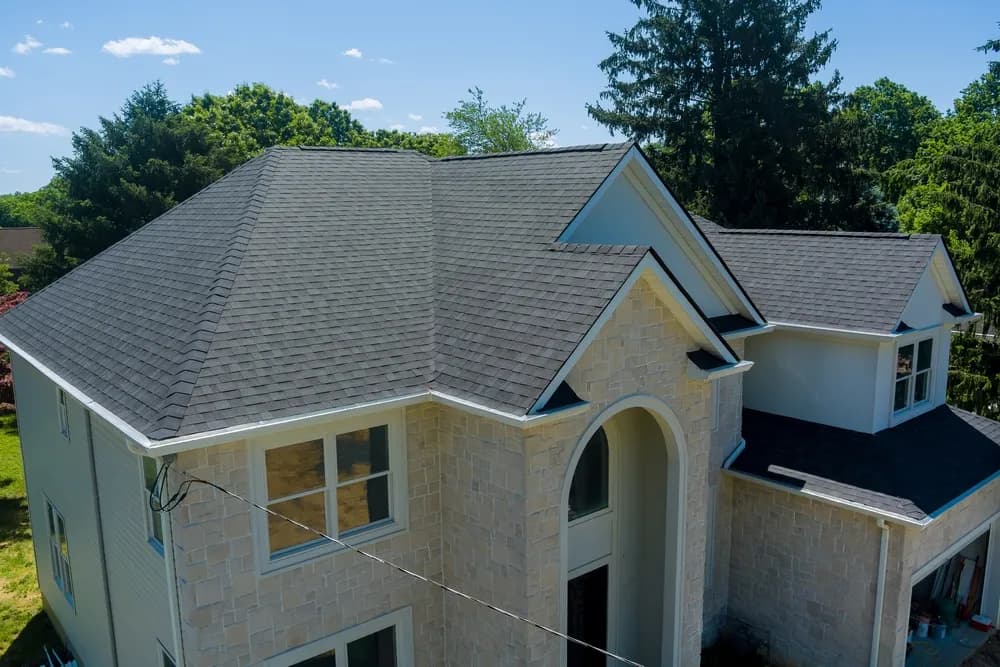
You paid for a new roof. The crew has packed up and left. Everything looks fine from the ground. But how do you actually know if the job was done right? The truth is that a bad roofing job can look perfectly fine from the driveway while hiding problems that will show up as leaks, blown-off shingles, and premature failure within a few years.
Charlotte's roofing market has plenty of good contractors, but it also has fly-by-night operators who show up after storms, offer low prices, cut corners, and move on to the next town. Knowing what to look for after a roof installation can save you from paying for shoddy work. Here is a walkthrough of what to check before you sign off and make that final payment.
Start with the Shingle Lines
Look at your roof from the street. The horizontal lines formed by the shingle rows should be straight and even across the entire roof. Wavy, crooked, or inconsistent lines are a sign of sloppy installation. Experienced roofers use chalk lines to keep rows straight, and there is no excuse for crooked shingle courses on a new roof.
Also check that the shingles have a uniform color and pattern. Mixing shingles from different production lots can result in noticeable color variation. While this is not a functional defect, it looks bad and a professional crew avoids it.
Check the Drip Edge
Drip edge is the metal strip installed along the eaves and rakes (the sloped sides) of the roof. It directs water into the gutters and protects the fascia board beneath. On a properly installed roof, drip edge should be visible along the entire perimeter. If you do not see metal along the bottom edges of your roof, the contractor has violated code and left your fascia vulnerable to water damage. This is a big deal in Charlotte's wet climate, where rain runs off the roof frequently.
Shingle Overhang
Shingles should extend past the drip edge by about a quarter inch to half an inch. If they are cut flush with the drip edge or do not reach it, water can wick back under the shingle edge. If the overhang is too long, more than three quarters of an inch, the shingles can sag and break along the edge over time.
Inspect the Flashing
Flashing is the metal material that seals joints between the roof and other surfaces like chimneys, walls, vent pipes, and skylights. Bad flashing is the single most common cause of roof leaks, and it is where corner-cutting contractors save time most often.
Chimney Flashing
If your home has a chimney, the flashing should include step flashing along the sides, individual pieces that step up with each shingle course, and counter flashing that tucks into the mortar joints. If you see one continuous piece of flat metal sealed with a thick bead of roofing cement, that is a shortcut. It will fail within a few years as the caulk cracks, especially with Charlotte's temperature swings from the low 20s in winter to the upper 90s in summer.
Pipe Boot Flashing
Every plumbing vent pipe should have a new pipe boot. If the contractor reused old, cracked pipe boots from the previous roof, those are going to leak. Rubber pipe boots degrade in Charlotte's intense summer UV and heat, so starting with old ones is asking for trouble.
Valley Treatment
Roof valleys where two slopes meet handle heavy water flow. There are two acceptable methods: open metal valleys where you can see a strip of metal, and closed-cut valleys where shingles overlap across the valley. What you should not see is exposed underlayment, crooked shingle edges, or visible nails in the valley channel. Valleys handle a lot of water during Charlotte's heavy rainfall, so any deficiency here will show up as a leak.
Look at the Ridge and Vents
Ridge Cap Shingles
The ridge should be covered with purpose-made ridge cap shingles. They should be straight, evenly spaced, and secure. Some bad roofers cut regular shingles into thirds and use those as ridge caps. Modern standards call for purpose-made products that provide better coverage.
Ridge Vent
If your roof has a ridge vent, it should be straight, secured, and covered by ridge cap shingles. A poorly installed ridge vent can let water in rather than keeping it out. Check that your attic ventilation is working properly by making sure soffit vents are not blocked by the new installation.
Check the Cleanup
A professional crew should leave your property clean. Walk around your house and check:
- Nails in the yard: A good crew uses a magnetic roller to sweep for stray nails. Finding nails in the grass means the cleanup was sloppy, and a stray roofing nail is a flat tire waiting to happen.
- Debris in gutters: Old shingle pieces and nails should be cleaned out. Full gutters will cause problems the first time it rains.
- Landscaping damage: Some trampling near the house is unavoidable, but all debris should be removed.
- Siding and gutter damage: Check where ladders were placed for scratches or dents.
Common Shortcuts in Charlotte's Climate
Some shortcuts do not show immediate problems but fail prematurely in our demanding climate:
Not enough nails: Most architectural shingles need 4 to 6 nails per shingle in specific locations. Rushed crews use fewer nails. During a 50 to 60 mph thunderstorm, under-nailed shingles blow off.
Reused flashing: Metal flashing should be replaced during a full roof replacement. Reusing corroded old flashing saves the contractor time but sets you up for leaks.
Wrong underlayment: Using cheap 15-pound felt instead of quality synthetic underlayment, or skipping underlayment in some areas, leaves the decking exposed when shingles are damaged by wind.
Layering over old shingles: A roof replacement means removing the old shingles. Some contractors install new shingles over old ones to save time. While NC code allows two layers, clean decking is the right way to build a roof that lasts.
What to Do If You Spot Problems
Bring issues to the contractor's attention before making final payment. Document problems with photos and request corrections before the job is considered complete. A legitimate contractor will stand behind their work. A contractor who gets defensive or refuses to fix issues is telling you something important.
If the contractor will not fix problems, you may need another roofer for an independent inspection and assessment. A detailed report from a third party helps if you need to pursue the original contractor for corrections. It is also worth filing a complaint with the NC Licensing Board for General Contractors if the contractor is licensed.
Get It Done Right with Peak Roofing
The best way to avoid a bad roofing job is to hire the right contractor from the start. Peak Roofing has over 10 years of experience in the Charlotte area, and we follow manufacturer installation guidelines on every project. Every roof we install includes proper flashing, ice and water shield, correct nailing patterns, and a thorough cleanup.
We serve homeowners from Fort Mill and Rock Hill to Mooresville and every community in between. Call us at (704) 313-9341 or contact us online to schedule a free inspection and estimate.
Need Help with Your Roof?
Contact Peak Roofing today for a free roof inspection and estimate. Our experienced team is here to help Charlotte homeowners.