Charlotte Roof Permits: What's Required and What Happens Without One
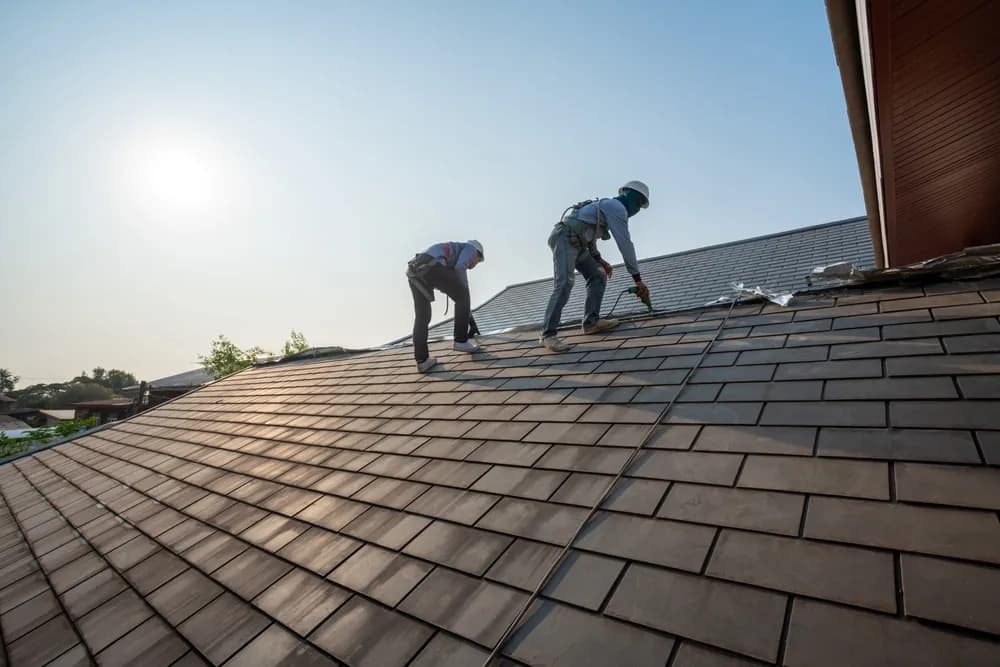
If you are planning a roof replacement in the Charlotte area, one of the first questions to ask your contractor is whether they will be pulling a permit. It is not the most exciting topic, but Charlotte roof permits are a real requirement that can save you serious headaches down the road. Skipping a permit might seem like a way to save a few hundred dollars, but it can create problems with your insurance, your home's resale value, and even the structural safety of your new roof.
This guide covers what Mecklenburg County and the City of Charlotte require for roofing permits, how the process works, what it costs, and what happens if you or your contractor skip it.
Does Charlotte Require a Permit for Roof Replacement?
Yes. The City of Charlotte and Mecklenburg County require a building permit for most roofing projects. This applies to full roof replacements, re-roofing over existing shingles, and any project that involves structural changes to the roof deck or framing. The requirement comes from the North Carolina State Building Code, which is based on the International Building Code. Local jurisdictions like Charlotte, Huntersville, Matthews, and Concord all enforce these codes through their own permitting offices.
When a Permit Is Not Required
Minor roof repairs generally do not require a permit. Replacing a handful of shingles, fixing a small leak, or repairing damaged flashing can usually proceed without one. Once the scope goes beyond basic patching, like replacing an entire slope or a significant portion of the roof, a permit is required. The line can be blurry, which is why it is worth asking a reputable contractor for guidance.
How the Permit Process Works
Step 1: Application
The permit application is submitted to Mecklenburg County Code Enforcement or the applicable municipality. Charlotte uses an online portal that has made the process faster. The application requires the property address, scope of work, materials to be used, and the contractor's license number. Your roofing contractor handles this for you in most cases. A contractor who tells you permits are not needed or that they do not handle permits is a red flag.
Step 2: Review and Approval
For a standard residential re-roof, review is usually quick. Most roof permits in Charlotte are approved within a few business days. Projects with structural modifications take longer. The permit fee for a residential roof replacement in Mecklenburg County typically ranges from $100 to $400 depending on the project value.
Step 3: The Work Gets Done
Once approved, the roofing work can begin. The permit must be posted at the job site where an inspector can see it. When you see a crew working on a roof in Dilworth, Myers Park, or Ballantyne, there should be a permit posted somewhere visible.
Step 4: Final Inspection
After the roof is installed, the contractor schedules a final inspection. A building inspector visits and checks the work against the North Carolina building code, looking at underlayment, flashing, ventilation, and nailing patterns. If it passes, the permit is closed out in the county records.
Why Permits Matter for Homeowners
Insurance Protection
Your homeowner's insurance likely requires that major work be done according to code with proper permits. If your roof was installed without a permit and you file an insurance claim for storm damage later, the insurance company may deny the claim. They could argue the roof was not installed to code since no inspection verified it. In Charlotte where severe thunderstorms and hail are regular threats, having your insurance coverage intact is not something to gamble with.
Home Resale
When you sell your home, the buyer's inspector and title company will often check county records for permits. If you had a full roof replacement with no corresponding permit, it raises a red flag. Buyers may request a discount, demand retroactive inspection, or walk away. In competitive Charlotte neighborhoods like South End, NoDa, and University City, this can cost you far more than the permit would have.
Quality Check
The inspection that comes with a permit is a free quality check on your contractor's work. The inspector verifies the roof was installed correctly per the building code. Given that a new roof costs $8,000 to $15,000 or more in the Charlotte area, having a third party confirm the work was done right is valuable. If the inspector finds issues, the contractor has to fix them.
What Happens If You Skip the Permit
Installing a roof without a permit in Charlotte can have real consequences. The county can issue a stop-work order, shutting down your project mid-installation. They can require a retroactive permit, which may mean removing parts of the new roof so an inspector can see the work underneath. You can face fines for code violations. And unpermitted work creates problems with insurance claims and home sales.
The most common ways unpermitted work gets discovered: a home sale inspection, a neighbor reporting construction, or an insurance adjuster checking county records after a claim. In Mecklenburg County, building records are public and searchable online.
Surrounding Cities and Towns
If you live outside Charlotte city limits but still in the metro area, your municipality's permitting office handles your permits. Towns like Mooresville, Gastonia, Fort Mill, and Rock Hill each have their own permitting offices with slightly different fee structures. The core requirement is the same across both states: a full roof replacement requires a permit.
Fort Mill and Rock Hill fall under South Carolina building codes, which have some differences from North Carolina regarding wind load requirements. If you live on the South Carolina side, make sure your contractor knows SC-specific requirements.
How a Good Contractor Handles Permits
Any reputable roofing contractor in Charlotte will handle the entire permit process. They pull the permit before work starts, post it on site, schedule the final inspection, and close it out when the project is complete. You should not have to manage any of this yourself.
If a contractor suggests skipping the permit, that is one of the biggest warning signs that you are dealing with the wrong company. Read our post on choosing the right roofing contractor in Charlotte for more red flags to watch for. Always ask for the permit number once pulled, and verify it through the county's online portal.
NC Building Code Highlights for Roofing
When the inspector checks your new roof, they look at specific requirements including proper roof underlayment installation, correct flashing at all penetrations and transitions, adequate attic ventilation, and proper nailing patterns for the specific shingle product. In the Charlotte area, wind rating requirements are important: the Piedmont region requires shingles rated for at least 90 mph winds, and installation must follow the manufacturer's high-wind instructions.
Get Your Roof Done Right with Peak Roofing
At Peak Roofing, we handle the permit process for every roof replacement we do in the Charlotte area. Our team has over 10 years of experience and knows the local building codes, permitting requirements, and inspection process. We pull permits, schedule inspections, and do every job by the book. You never have to worry about unpermitted work when you work with us.
Call us at (704) 313-9341 or contact us online to schedule a free inspection and estimate. We will walk you through the entire process, permits included.
Need Help with Your Roof?
Contact Peak Roofing today for a free roof inspection and estimate. Our experienced team is here to help Charlotte homeowners.