Roof Flashing: What It Is, Why It Fails, and What It Costs to Fix
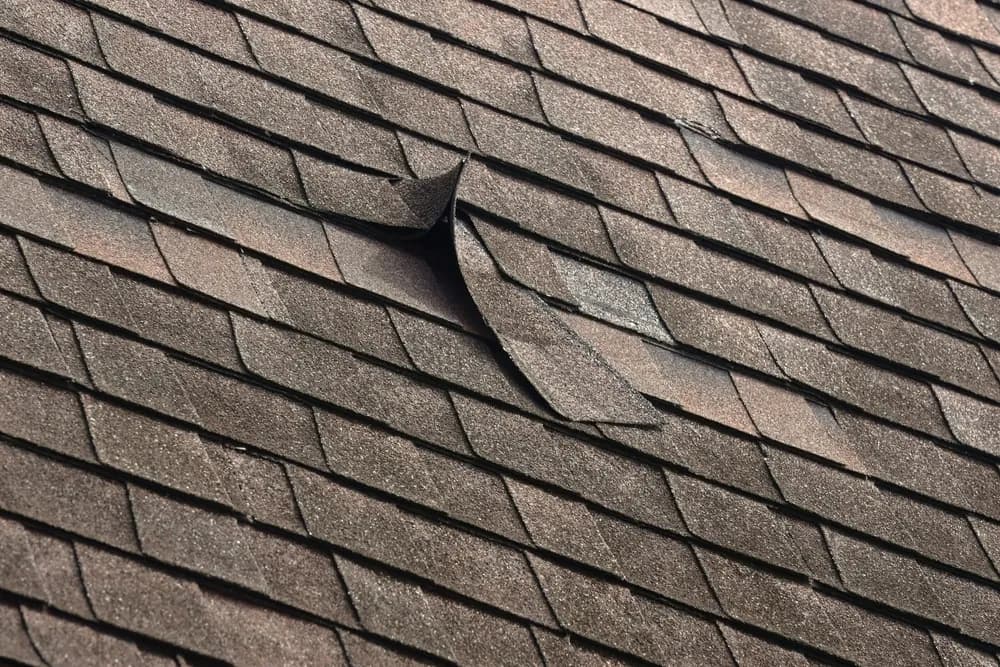
If you have ever had a roof leak in your Charlotte home, there is a good chance flashing was the culprit. Flashing is one of those roofing components that most homeowners never think about until water starts dripping through the ceiling. It is not glamorous, but it is one of the most important parts of your roof, and when it fails, the damage adds up fast.
This guide covers what roof flashing actually is, where it is installed on your roof, why it fails, how to spot problems early, and what it typically costs to have it repaired or replaced in the Charlotte area.
What Is Roof Flashing?
Flashing is thin metal material, usually aluminum, galvanized steel, or copper, installed at joints and transitions on your roof where water is most likely to penetrate. Anywhere your roof meets a wall, chimney, vent pipe, skylight, or another roof plane, flashing is the barrier that directs water away from the seam and down to the shingles below.
Think of it this way: your shingles handle the flat, open areas of the roof. Flashing handles all the tricky spots where those flat areas meet something else. Without flashing, every chimney, pipe, wall junction, and valley on your roof would be a wide-open entry point for water.
Common Types of Flashing on Charlotte Homes
Most residential roofs in the Charlotte metro area have several types of flashing working together:
- Step flashing: L-shaped pieces of metal installed along the joint where a roof slope meets a sidewall. Each piece overlaps the one below, creating a stair-step pattern that channels water away from the wall.
- Counter flashing: Metal that is embedded into a chimney or wall and folds down over the step flashing beneath it. This two-layer system is the standard for chimney flashing on homes throughout Mecklenburg County.
- Valley flashing: Metal installed in the valleys where two roof planes meet. Valleys funnel a high volume of water during rainstorms, so the flashing here takes a beating.
- Pipe boot flashing: A rubber and metal collar that fits around plumbing vent pipes that penetrate the roof. These are found on virtually every home in Charlotte.
- Drip edge: Metal installed along the eaves and rakes of the roof to direct water into the gutters and away from the fascia boards.
- Kick-out flashing: A small piece installed where a roof slope ends at a sidewall, designed to kick water out into the gutter rather than letting it run down the wall.
Why Flashing Fails on Charlotte Roofs
Flashing does not last forever, and Charlotte's climate puts extra stress on these components. Here are the most common reasons flashing fails on local homes.
Thermal Expansion and Contraction
Charlotte experiences wide temperature swings throughout the year. Summer roof surface temperatures can exceed 150 degrees on a hot July afternoon, while winter nights can drop into the teens and twenties. Metal expands when it heats up and contracts when it cools down. Over years of daily and seasonal temperature cycling, this movement causes flashing to warp, pull away from surfaces, and crack at bends and joints. The sealant used around flashing also dries out, shrinks, and cracks under these conditions.
Storm Damage
Charlotte's severe thunderstorm season runs from March through September, bringing high winds, heavy rain, and hail. Strong winds can lift and bend flashing, breaking the seal between the metal and the roof surface. Hail can dent and crack flashing, particularly on older installations where the metal has already become brittle. After a major storm damage event, flashing problems often do not show up immediately but develop leaks over the following weeks as loosened seals let water through during subsequent rains.
Poor Original Installation
This is more common than it should be. Some roofing crews cut corners on flashing because it is time-consuming detail work. Instead of proper step flashing and counter flashing at a chimney, they might use a single piece of bent metal sealed with roofing cement. Instead of kick-out flashing at a wall termination, they just run the shingles right up to the wall. These shortcuts work for a while, but they always fail eventually, and in Charlotte's wet climate with 43 inches of annual rainfall, eventually comes sooner rather than later.
Age and Corrosion
Even properly installed flashing has a finite lifespan. Galvanized steel flashing on homes in neighborhoods like Dilworth, Myers Park, and Plaza Midwood can last 20 to 30 years before corrosion becomes a problem. Aluminum lasts longer but can become brittle. Rubber pipe boots typically start cracking after 10 to 15 years of exposure to Charlotte's intense UV radiation and summer heat. If your roof is approaching the 20-year mark, there is a reasonable chance some of your flashing needs attention even if the shingles still look fine.
Settling and Movement
Houses settle over time, and the clay soils common in the Charlotte region can cause more movement than homeowners expect. As a house settles, the slight shifts in the structure can pull flashing away from chimneys, walls, and other surfaces it is supposed to seal against. This is especially common around chimneys, where the heavy masonry structure settles at a different rate than the surrounding wood-framed roof.
How to Spot Flashing Problems
You do not need to climb on your roof to check for flashing issues. Many problems are visible from the ground or from inside your home.
From the Ground
Walk around your home and look up at the roofline with binoculars if you have them. Look for metal that appears bent, lifted, or separated from the surface it should be sealed against. Check around chimneys for gaps between the metal and the masonry. Look at the valleys for metal that appears rusted, dented, or displaced. Check pipe boots for cracks in the rubber collar, which often show as the rubber turns from black to gray and starts splitting.
From Inside Your Home
Water stains on ceilings or walls near a chimney, skylight, or where the roof meets an exterior wall are strong indicators of flashing failure. Check your attic after a heavy rainstorm with a flashlight. Look for daylight coming through around pipes, chimneys, and where the roof meets walls. Damp insulation, water stains on rafters, and any sign of mold growth near these areas all point to flashing problems.
What Does Flashing Repair Cost in Charlotte?
The cost of flashing repair depends on what type of flashing needs work, how extensive the damage is, and whether the surrounding roofing materials also need attention.
Minor Flashing Repairs
Resealing flashing that has separated or replacing a single pipe boot typically costs between $150 and $400 per location. These are straightforward roof repairs that an experienced roofer can handle in an hour or two. If you catch flashing problems early, this is usually all it takes.
Chimney Flashing Replacement
Full chimney flashing replacement, including proper step flashing, counter flashing, and a cricket if needed, typically runs $500 to $1,500 in the Charlotte area. The cost depends on the size of the chimney, the type of metal used, and whether the surrounding shingles need to be removed and reinstalled to properly integrate the new flashing.
Valley Flashing Repair or Replacement
Valley work is more involved because the shingles on both sides of the valley usually need to be removed to access the flashing beneath. Depending on the length of the valley and the extent of the damage, expect to pay $400 to $1,200 per valley.
Full Flashing Replacement During a Roof Replacement
If you are already getting a full roof replacement, all flashing should be replaced as part of the project. A reputable contractor includes new flashing in their roof replacement estimate. If a contractor offers to reuse existing flashing during a full tear-off and replacement, that is a red flag. Old flashing on a new roof is a leak waiting to happen.
Flashing and Insurance Claims
If your flashing was damaged by a storm event, the repair may be covered by your homeowner's insurance. Hail and wind are covered perils under most North Carolina policies. However, insurance does not cover flashing failure due to normal wear and tear or age. If a storm damaged your flashing and it is now leaking, getting a professional roof inspection to document the storm-related damage is the first step in filing a successful insurance claim.
Can You DIY Flashing Repair?
In most cases, flashing repair is not a good DIY project. Working on a roof is inherently dangerous, especially on the steep slopes common on Charlotte homes. Beyond the safety issue, flashing work requires understanding how the different layers of a roofing system interact. Improper flashing repair can actually make the problem worse by redirecting water into areas that were previously dry. A tube of roofing cement from the hardware store might stop a drip for a few months, but it is not a permanent fix and can make the eventual proper repair more difficult.
Schedule a Free Flashing Inspection with Peak Roofing
If you suspect your Charlotte home has a flashing problem, or if your roof is getting up in years and you want to know what condition your flashing is in, Peak Roofing offers free roof inspections throughout the Charlotte metropolitan area. We inspect every component of your roof, including all flashing points, pipe boots, valleys, and drip edge. If we find problems, we will give you an honest assessment of what needs to be done and a free estimate for the repair.
We have been doing this for over 10 years and serve homeowners across Charlotte, Huntersville, Matthews, Fort Mill, and all surrounding communities. Call us at (704) 313-9341 or contact us online to schedule your free inspection.
Need Help with Your Roof?
Contact Peak Roofing today for a free roof inspection and estimate. Our experienced team is here to help Charlotte homeowners.