Moss and Algae on Charlotte Roofs: Causes and How to Get Rid of It
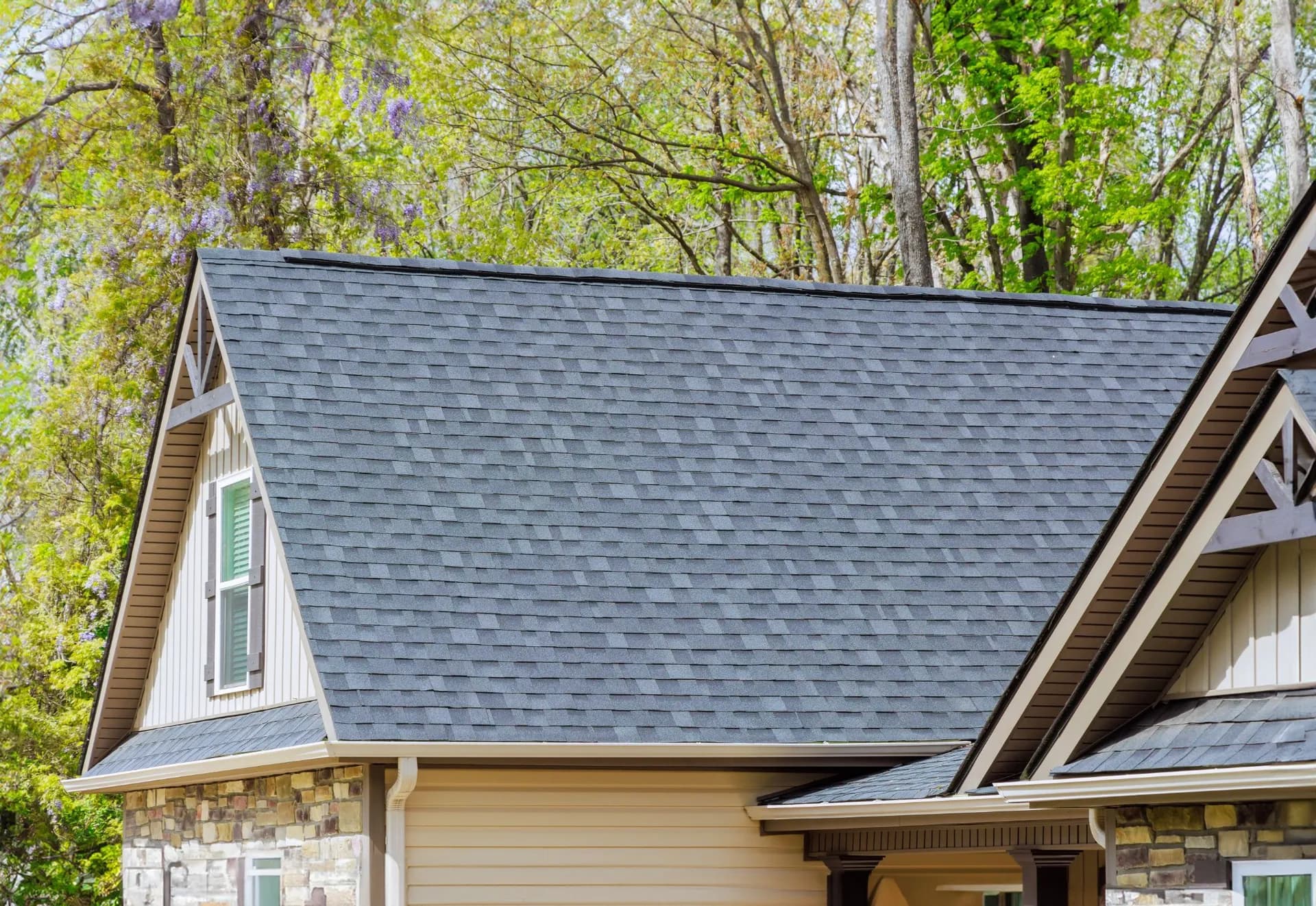
If you have noticed dark streaks running down your roof or green patches growing along the north side, you are not alone. Moss and algae growth is one of the most common cosmetic and functional issues affecting roofs in the Charlotte metropolitan area. Charlotte's combination of warm temperatures, high humidity, and abundant tree cover creates near-perfect conditions for these organisms to take hold.
But is it just ugly, or is it actually damaging your roof? The answer depends on whether you are dealing with algae, moss, or both, and how long it has been growing. Here is what Charlotte homeowners need to know.
Algae vs Moss: They Are Different Problems
Algae (Gloeocapsa Magma)
Those dark streaks running vertically down your roof are almost certainly caused by a type of blue-green algae called Gloeocapsa magma. It feeds on the limestone filler in asphalt shingles and spreads across the roof surface over time. The dark color comes from the algae's protective outer coating, which shields it from UV rays. Algae growth is primarily a cosmetic problem. It makes your roof look dirty and aged, but it does not physically lift or damage shingles the way moss does.
Algae is extremely common in the Charlotte area. Drive through any established neighborhood in Mecklenburg County and you will see dark-streaked roofs everywhere, particularly on north-facing slopes and in areas shaded by trees. It thrives in warm, humid conditions, which describes Charlotte from roughly April through October.
Moss
Moss is the green, fuzzy growth that forms thick mats on your roof surface. Unlike algae, moss has roots (rhizoids) that dig into the shingle surface and can work their way under shingle edges. This is where moss becomes a real problem. Moss holds moisture against the roof like a sponge, keeping shingles wet long after the rain stops. Over time, it lifts shingle edges, breaks the seal between overlapping courses, and creates entry points for water.
In Charlotte's climate, moss growth is most common on north-facing slopes and in areas heavily shaded by the tall oaks, pines, and hardwoods that make up the city's canopy. Neighborhoods like Myers Park, Eastover, and parts of South Charlotte are particularly prone to moss because of their mature tree cover.
What Causes Growth on Charlotte Roofs
Several factors specific to the Charlotte area encourage moss and algae growth:
- Humidity: Charlotte's relative humidity regularly exceeds 80% in the early morning during summer months. This persistent moisture provides the environment both organisms need to thrive.
- Shade: Areas of the roof that receive limited direct sunlight stay damp longer. North-facing slopes and sections shaded by trees are ground zero for growth.
- Tree debris: Leaves, twigs, and pine needles that accumulate on the roof trap moisture and provide organic material that moss feeds on. Charlotte's heavy deciduous tree canopy means most roofs get a thick layer of debris every fall.
- Temperature: Charlotte's long warm season, with average high temperatures above 80 degrees from May through September, provides the warmth these organisms need to grow actively for six or more months of the year.
When Is Moss a Real Problem?
Light moss growth that has just started forming is primarily cosmetic and can be addressed without major concern. But heavy moss that has been growing for years is a different story. Thick moss mats hold enough water weight to stress the roof structure and keep the underlying shingles perpetually damp. The roots can physically damage the shingle surface, reducing its ability to shed water. And when moss grows thick enough to lift shingle edges, it creates pathways for water to get underneath during Charlotte's heavy rainstorms.
If you can see thick green moss from the ground, especially if it appears to be growing under shingle edges, it is time for professional attention. Left unchecked, moss can lead to premature shingle failure and the need for an early roof replacement.
How to Clean Algae and Moss from Your Roof
Cleaning Algae
Algae can be cleaned from a roof that is otherwise in good condition. The standard approach is a 50/50 solution of water and household bleach (sodium hypochlorite), applied with a low-pressure sprayer and allowed to sit for 15 to 20 minutes before gentle rinsing. This kills the algae and restores the roof's appearance. The cleaning does not damage the shingles when done properly.
What you should not do is pressure wash your roof. High-pressure water blasts the protective granules off your shingles and can force water under shingle edges. Despite the temptation, a pressure washer is one of the worst things you can use on an asphalt shingle roof. If someone suggests pressure washing your Charlotte roof, find a different contractor.
Cleaning Moss
Moss removal is more involved. Dead moss can be gently brushed off with a soft-bristle broom, working downward to avoid lifting shingles. Live moss should be treated with a moss-killing solution first, then removed once dead. Pulling live moss off the roof can tear shingles and cause more damage than the moss itself.
After removal, inspect the shingles underneath for damage. If the moss was thick and has been growing for years, the shingles beneath may be deteriorated, soft, or missing granules. A professional roof inspection after heavy moss removal can tell you whether the roof is still sound or if the moss has shortened its remaining lifespan.
Preventing Future Growth
Zinc or Copper Strips
Metal strips installed along the ridge of the roof slowly release zinc or copper ions as rainwater runs over them. These ions are toxic to moss and algae and create a hostile environment for growth across the roof surface below. Zinc strips are the more affordable option and work well for algae prevention. Copper strips are more effective but cost more. Both can be installed as part of a roof maintenance program.
Algae-Resistant Shingles
If you are getting a new roof, consider shingles with built-in algae resistance. Most major manufacturers now offer shingles with copper granules mixed into the surface that inhibit algae growth. GAF, Owens Corning, and CertainTeed all have algae-resistant product lines. Given Charlotte's climate, this is a worthwhile upgrade that costs only slightly more than standard shingles.
Tree Trimming
Reducing shade on the roof is one of the most effective long-term strategies. Trimming branches back at least 6 to 10 feet from the roof surface allows more sunlight and air circulation, both of which discourage moss and algae growth. It also reduces the leaf and debris accumulation that feeds these organisms.
Regular Maintenance
Keeping your roof clear of debris, your gutters clean, and scheduling periodic inspections are the best ongoing defenses against moss and algae in the Charlotte climate. An annual inspection can catch early growth before it becomes a bigger problem.
Does Moss Affect Insurance or Home Sales?
Heavy moss growth can come up during a home sale inspection. Buyers and their inspectors may flag it as a concern, potentially requesting a roof credit or repair before closing. Insurance companies may also take note during a policy review or post-claim inspection. While light algae staining is generally not an issue, visible moss growth signals deferred maintenance and can affect both the sale price and insurability of a Charlotte home.
Get a Free Roof Inspection from Peak Roofing
If your Charlotte roof has dark streaks, green patches, or heavy moss growth, Peak Roofing can assess the situation and tell you whether it is purely cosmetic or if the growth has caused real damage. Our free inspections cover the entire roof, including all the areas where moss and algae tend to take hold.
We serve homeowners across the Charlotte metro, including Matthews, Mint Hill, Davidson, and all surrounding communities. Call us at (704) 313-9341 or contact us online to schedule your free inspection.
Need Help with Your Roof?
Contact Peak Roofing today for a free roof inspection and estimate. Our experienced team is here to help Charlotte homeowners.