Ice and Water Shield: Do Charlotte Roofs Actually Need It?
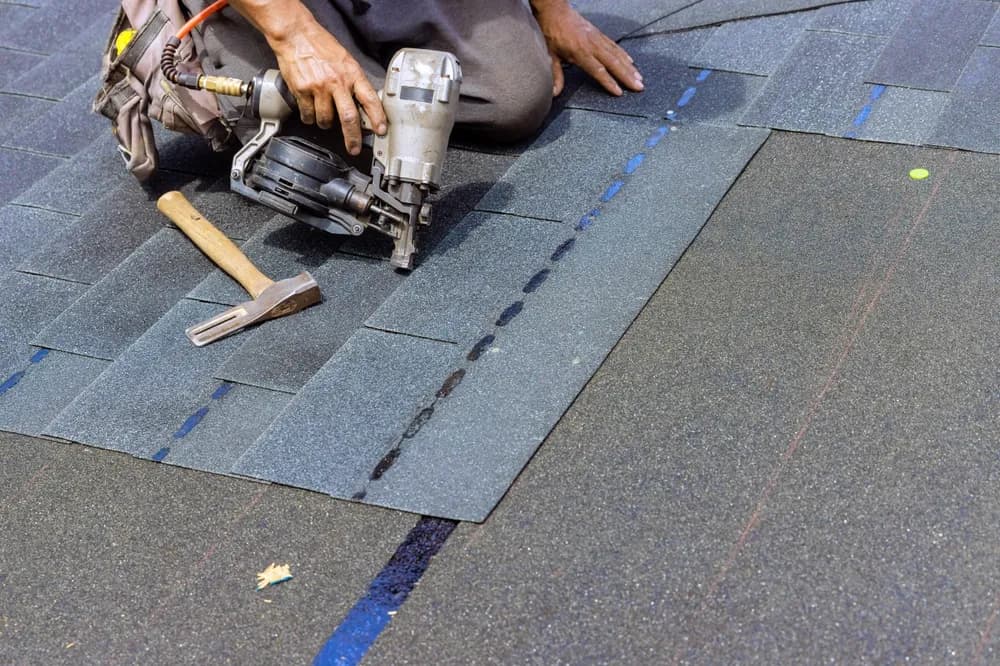
When most people hear "ice and water shield," they think of houses in Minnesota or Maine buried in snow. Charlotte does not exactly come to mind. But ice and water shield is actually required by North Carolina building code in specific areas of the roof, and there are good reasons to install it beyond just the code minimums, especially in our climate.
If you are getting a roof replacement in the Charlotte area, understanding what ice and water shield is and where it belongs on your roof can help you evaluate the quality of the contractor's proposal. A contractor who skips it or applies it minimally may be cutting corners that will cost you later.
What Is Ice and Water Shield?
Ice and water shield is a self-adhering membrane made of rubberized asphalt on a polyethylene backing. Unlike standard underlayment (the layer between your shingles and your decking), ice and water shield sticks directly to the roof deck with no gaps. The rubberized asphalt has a unique property: when a nail penetrates it, the material seals around the nail shaft, creating a watertight seal at every fastener point. Standard felt or synthetic underlayment does not do this. They are laid over the deck and held in place by staples or nails, but water can still migrate around those fastener holes under the right conditions.
What the NC Building Code Requires
The North Carolina Residential Code requires ice and water shield (or an equivalent self-adhering membrane) in specific vulnerable areas on residential roofs:
- Eaves: Along the bottom edge of the roof, extending from the eave edge to at least 24 inches past the interior wall line of the building. This protects against water backup from ice dams.
- Valleys: Where two roof planes meet and create a channel that concentrates water flow. The membrane must extend at least 36 inches from the center of the valley.
- Around penetrations: Chimneys, vent pipes, skylights, and other points where something passes through the roof surface.
These requirements apply to new construction and full roof replacements in the Charlotte area, including surrounding municipalities like Huntersville, Matthews, Concord, and all the way to Rock Hill and Fort Mill on the South Carolina side.
Why Charlotte Roofs Need It Despite Mild Winters
Charlotte's winter weather is generally mild compared to the northern states where ice and water shield was originally developed. But "generally mild" does not mean "no risk." Here is why this product matters for Charlotte homes.
Ice Dams Do Happen Here
Charlotte gets ice storms. The December 2002 ice storm is still talked about in the roofing industry here. When ice accumulates on the roof and then melts during the day but refreezes at the eaves where the roof extends past the warm house, you get ice dams. Water pools behind the dam and backs up under the shingles. Without ice and water shield at the eaves, that water finds its way through nail holes and seams in the underlayment and drips into the attic.
Even in mild winters, Charlotte routinely has nights in the 20s with daytime highs in the 50s. On a north-facing slope in a shaded neighborhood like Myers Park or Eastover, this temperature cycling can create localized ice dam conditions several times per winter.
Wind-Driven Rain
This is where ice and water shield really earns its keep in the Charlotte market. Our severe thunderstorms from March through September regularly produce wind-driven rain that pushes water horizontally and even upward under shingles. During a strong storm with 50 to 60 mph winds and heavy rain, water can be forced under shingle edges and around flashing in ways that normal underlayment cannot handle. Ice and water shield in valleys, at wall transitions, and around penetrations provides a second line of defense that keeps water from reaching the decking even when the shingles above are being overwhelmed.
Concentrated Water Flow
Valleys are the interstate highways of your roof's water management system. During Charlotte's heavy downpours, which can dump 2 to 3 inches of rain in an hour during a strong thunderstorm, valleys handle an enormous volume of fast-moving water. Any imperfection in the valley shingles or flashing becomes an entry point for water at these volumes. Ice and water shield in the valley provides a fail-safe beneath the visible roofing that catches water before it reaches the decking.
Where Should Ice and Water Shield Be Installed?
The code minimums are a starting point, but many experienced Charlotte roofers recommend going beyond the minimums. Here is what a quality installation looks like:
- All eaves: Extending 3 feet or more past the exterior wall line, not just the code-minimum 24 inches
- All valleys: Full coverage extending 18 inches or more on each side of the valley center
- Around all penetrations: Pipe boots, chimneys, skylights, and anything else that penetrates the roof surface
- Along all wall-to-roof transitions: Where a roof slope meets a vertical wall, step flashing and ice and water shield together provide the best protection
- On low-slope sections: Any area of roof with a pitch below 4:12 where water moves slowly and has more time to find its way through seams
What Does It Add to the Cost?
Ice and water shield costs more per square foot than standard synthetic underlayment. For a typical Charlotte-area home, applying it at all code-required areas plus the additional areas recommended above typically adds $300 to $800 to the total project cost, depending on roof size and complexity. That is a small investment relative to the total cost of a roof replacement, and it provides protection that standard underlayment simply cannot match.
How to Know If Your Current Roof Has It
If your roof was installed before the current code requirements were adopted, it may not have ice and water shield at all. Older Charlotte roofs, particularly those installed before 2000, often used only felt paper underlayment throughout. You cannot check for ice and water shield from outside, but an attic inspection can sometimes reveal it. If you are considering a roof inspection, ask the inspector to check for the presence of self-adhering membrane in the attic at the eaves and valleys.
What to Ask Your Contractor
When getting estimates for a roof replacement in the Charlotte area, ask specifically about ice and water shield. A quality contractor will include it in their standard installation and can tell you exactly where they plan to apply it. Questions worth asking:
- What brand of ice and water shield do you use?
- Where exactly will it be installed on my roof?
- Are you going beyond the code minimums, and if so, where?
- Is this included in the estimate or an add-on?
A contractor who does not include ice and water shield in their standard installation, or who only applies it at the bare code minimums, may be building a roof that meets the letter of the code but not the spirit of a quality installation designed for Charlotte's weather.
Get a Free Estimate from Peak Roofing
At Peak Roofing, ice and water shield is part of every roof we install. We apply it at all eaves, valleys, penetrations, and wall transitions because that is what Charlotte roofs need to handle our storm season and occasional winter weather. Our free estimates detail every component of the roofing system so you know exactly what you are getting.
We have over 10 years of experience and serve homeowners across the Charlotte metro area. Call us at (704) 313-9341 or contact us online to schedule your free inspection and estimate.
Need Help with Your Roof?
Contact Peak Roofing today for a free roof inspection and estimate. Our experienced team is here to help Charlotte homeowners.