Emergency Roof Repair: What to Do When Your Roof Is Leaking
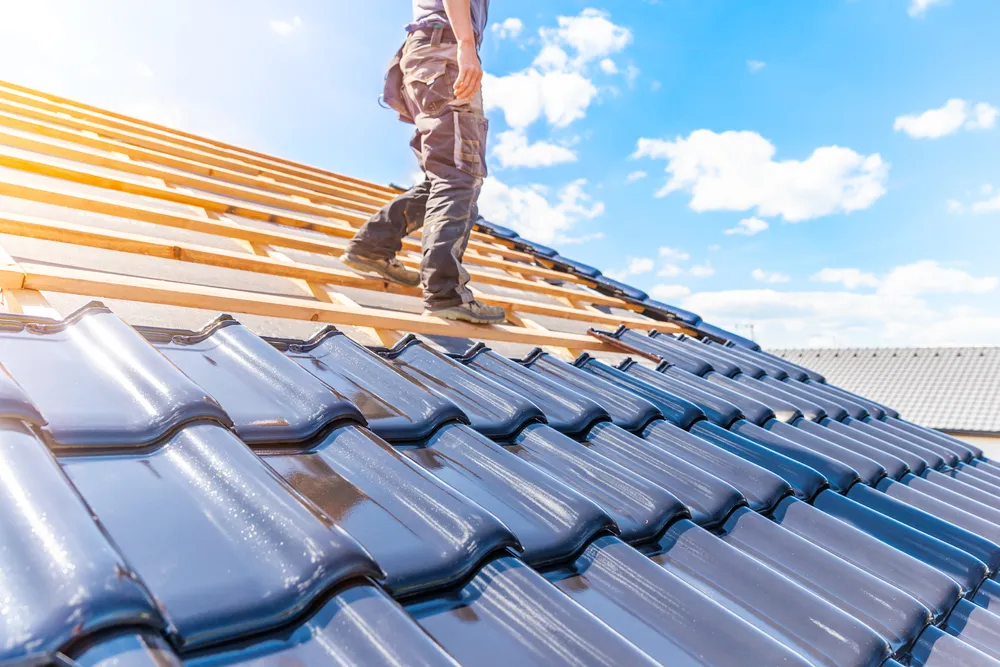
Few things cause more immediate panic for a homeowner than discovering that their roof is leaking. Maybe you spotted a water stain spreading across your ceiling, heard dripping in the attic during a heavy rainstorm, or saw water actively running down an interior wall. However you found it, a leaking roof demands fast action. Knowing when to call for roof repair is critical. The steps you take in the first minutes and hours after discovering a leak can mean the difference between a manageable repair and extensive water damage to your home's structure, insulation, and personal belongings.
Charlotte homeowners face this situation more often than you might think. With over 43 inches of annual rainfall, severe thunderstorms that can dump several inches of rain in a single event, and hailstorms that compromise shingles without immediately causing visible leaks, roof leaks are one of the most common emergency home repairs in the Charlotte metro area. Here is exactly what to do when your roof is leaking, and how to handle the emergency repair process.
Immediate Steps When You Discover a Roof Leak
When you first notice a leak, take a deep breath and work through these steps in order. Moving quickly but calmly helps you minimize damage and set yourself up for a smoother repair process.
Step 1: Protect Your Belongings
The very first thing to do is move anything valuable, electronic, or water-sensitive away from the leak area. Slide furniture out of the way, pick up rugs and textiles, and remove any electronics. Water damage happens fast, and items that get soaked may be ruined beyond repair. If water is dripping from the ceiling, move items out from the area beneath the drip as well as a generous radius around it, since the leak path can shift and spread.
Step 2: Contain the Water
Place buckets, large pots, or plastic storage bins under the drip points to catch incoming water. Lay towels or old blankets on the floor around the containers to catch splashes. If you have a large area of ceiling that is holding water and bulging downward, it is actually better to poke a small hole in the center of the bulge with a screwdriver or awl and let the water drain into a container below. This prevents the accumulated weight of the water from causing a much larger section of ceiling to collapse, which would create a bigger mess and more damage.
Step 3: Document the Damage
As soon as you have contained the immediate water flow, start documenting. Take photos and videos of the water coming in, any ceiling or wall damage, the containers catching water, and any damage to furniture or personal property. This documentation is important for insurance purposes if the leak was caused by a covered event such as a storm. Note the date, time, and weather conditions when you discovered the leak.
Step 4: Try to Identify the Source
If you can safely access your attic, go up with a flashlight and try to trace the water back to its entry point. Look for active dripping, wet areas on the underside of the roof decking, water tracks on rafters or trusses, and daylight coming through any holes or gaps. Keep in mind that water often travels along rafters and sheathing before dripping down, so the actual entry point on the roof may not be directly above the interior leak location. If you can identify where the water is coming in, mark the spot but do not attempt repairs from the attic during an active storm.
Emergency Temporary Repairs
Once the immediate crisis is managed inside, you may need to take temporary measures to slow or stop the water entry. These are not permanent fixes but rather emergency measures to limit damage until a professional can make proper repairs.
Tarping the Roof
If the weather has cleared and you can identify the general area of the leak from outside, a tarp can provide temporary protection. However, getting on a wet roof is extremely dangerous. If you have any doubts about your ability to safely access your roof, do not attempt it. Instead, call a roofing professional who has the equipment and experience to do this safely.
If you do tarp the area, use a heavy-duty tarp that extends at least 4 feet beyond the damaged area on all sides. Secure the tarp with weighted objects or screw-down battens. Do not use nails or screws directly through the shingles, as this creates new holes. The tarp should extend over the ridge if possible so that water flowing downhill does not get under the tarp's upper edge.
Interior Temporary Measures
If you cannot safely tarp the roof, focus on managing the water from inside. Continue containing the water with buckets. If the leak is near electrical fixtures, turn off power to that circuit at the breaker box. Do not touch any electrical fixtures, switches, or outlets near the leak area. Water and electricity are a deadly combination, and this is not a risk to take.
Common Causes of Roof Leaks in Charlotte
Understanding the common causes of roof leaks can help you explain the situation to your roofing professional and give you insight into what the repair may involve.
Storm Damage
The most frequent cause of sudden roof leaks in the Charlotte area is storm damage. Hailstorms can crack shingles and damage pipe boots and flashing. High winds can tear shingles off or lift them enough to break their water seal. Falling tree limbs can puncture the roof. Heavy rain following any of these events then finds its way through the compromised areas. If a leak appears during or immediately after a storm, storm damage is the most likely culprit. Read our storm damage guide for more details on identifying and responding to storm-related damage.
Failed Flashing
Flashing, the metal material installed at every roof joint and penetration, is one of the most common leak sources. Over time, the sealant around flashing deteriorates, metal corrodes, and Charlotte's freeze-thaw cycles in winter cause expansion and contraction that can break seals. Chimney flashing, wall step flashing, and valley flashing are particularly common failure points on Charlotte homes.
Worn or Damaged Pipe Boots
Every plumbing vent that exits through your roof has a rubber boot that seals around the pipe. These rubber boots have a limited lifespan and are vulnerable to UV degradation and hail damage. When a pipe boot cracks or separates, water runs down the pipe directly into your attic. This is one of the most common sources of slow, persistent leaks that gradually cause damage before they are noticed.
Aged Shingles
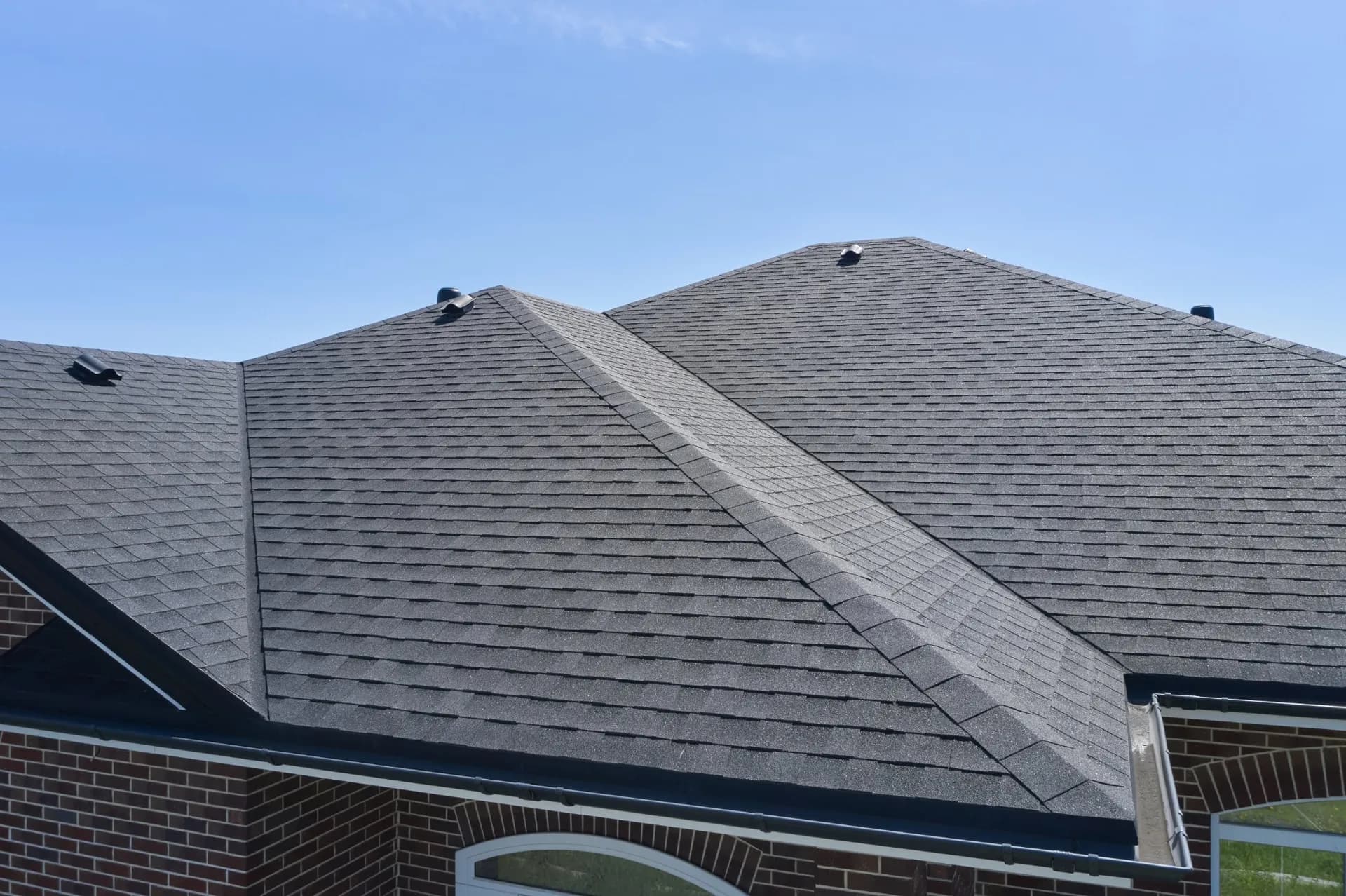
As shingles age, they lose granules, become brittle, and may crack, curl, or lift. An aging roof gradually loses its ability to shed water effectively, and leaks become increasingly likely. If your roof is more than 20 years old and you are experiencing leaks, it may be approaching the end of its serviceable life. Charlotte's hot, humid climate accelerates shingle aging, so roofs in our area sometimes develop leak issues sooner than their expected lifespan would suggest.
Clogged Gutters
When gutters are clogged with leaves, pine needles, and debris, which is common in Charlotte's tree-rich neighborhoods, water cannot drain properly. It backs up along the roof edge and can work its way under the shingles, drip edge, and fascia board. This type of leak typically appears along the exterior walls near the roofline and can cause extensive damage to the soffit, fascia, and wall structure over time.
When to Call a Professional
For any roof leak, calling a professional roofer should be a high priority. While the emergency containment steps above help minimize damage in the short term, only a qualified roofing professional can properly diagnose the source of the leak, make permanent repairs, and confirm your roof is sound. Here are situations that warrant an immediate call to a roofing professional.
- Water is actively pouring into your home during a storm and you cannot contain it
- The leak is near electrical wiring, panels, or fixtures
- A tree or large limb has punctured or landed on your roof
- The leak is causing structural sagging in your ceiling or roof
- Multiple areas of your home are leaking simultaneously
- You are unable to safely access the leak area to apply temporary measures
What to Expect from Emergency Roof Repair
When a roofing professional responds to your emergency call, here is what typically happens. They will first assess the exterior of the roof to identify the source of the leak and the extent of the damage. If conditions allow, they will make a temporary or permanent repair on the spot. If the damage is extensive or conditions are not safe for immediate permanent repair, such as during ongoing severe weather, they will apply emergency tarping or patching to stop the water intrusion until a full repair can be scheduled.
The roofer will also assess whether the damage may be covered by your homeowner's insurance. If a storm event caused the leak, you may have a valid insurance claim. Your roofer can help you document the damage and work through the claims process, which can significantly reduce your out-of-pocket expense for the repair.
Preventing Future Roof Leaks
While you cannot prevent every leak, especially those caused by severe storms, regular maintenance significantly reduces your risk. Schedule annual professional roof inspections, keep gutters clean, trim tree limbs away from your roof, and address small repairs promptly before they become big problems. Charlotte's climate is hard on roofs, but a well-maintained roof is far less likely to develop a surprise leak during the next big storm.
Call Peak Roofing for Emergency Roof Repair in Charlotte
If your roof is leaking and you need help fast, Peak Roofing is here for Charlotte homeowners. We provide emergency roof repair services throughout the Charlotte metro area, including Dilworth, NoDa, South End, Matthews, Mint Hill, Huntersville, Concord, Mooresville, Fort Mill, Rock Hill, and all surrounding communities. Our team has over 10 years of experience handling emergency roof situations, and we respond quickly to help you protect your home.
We also do free roof inspections and help with insurance claims for storm damage. Don't let a small leak turn into a big one. Call Peak Roofing at (704) 313-9341 or contact us online.
Need Help with Your Roof?
Contact Peak Roofing today for a free roof inspection and estimate. Our experienced team is here to help Charlotte homeowners.