How Charlotte's Humidity and Weather Affect Your Roof
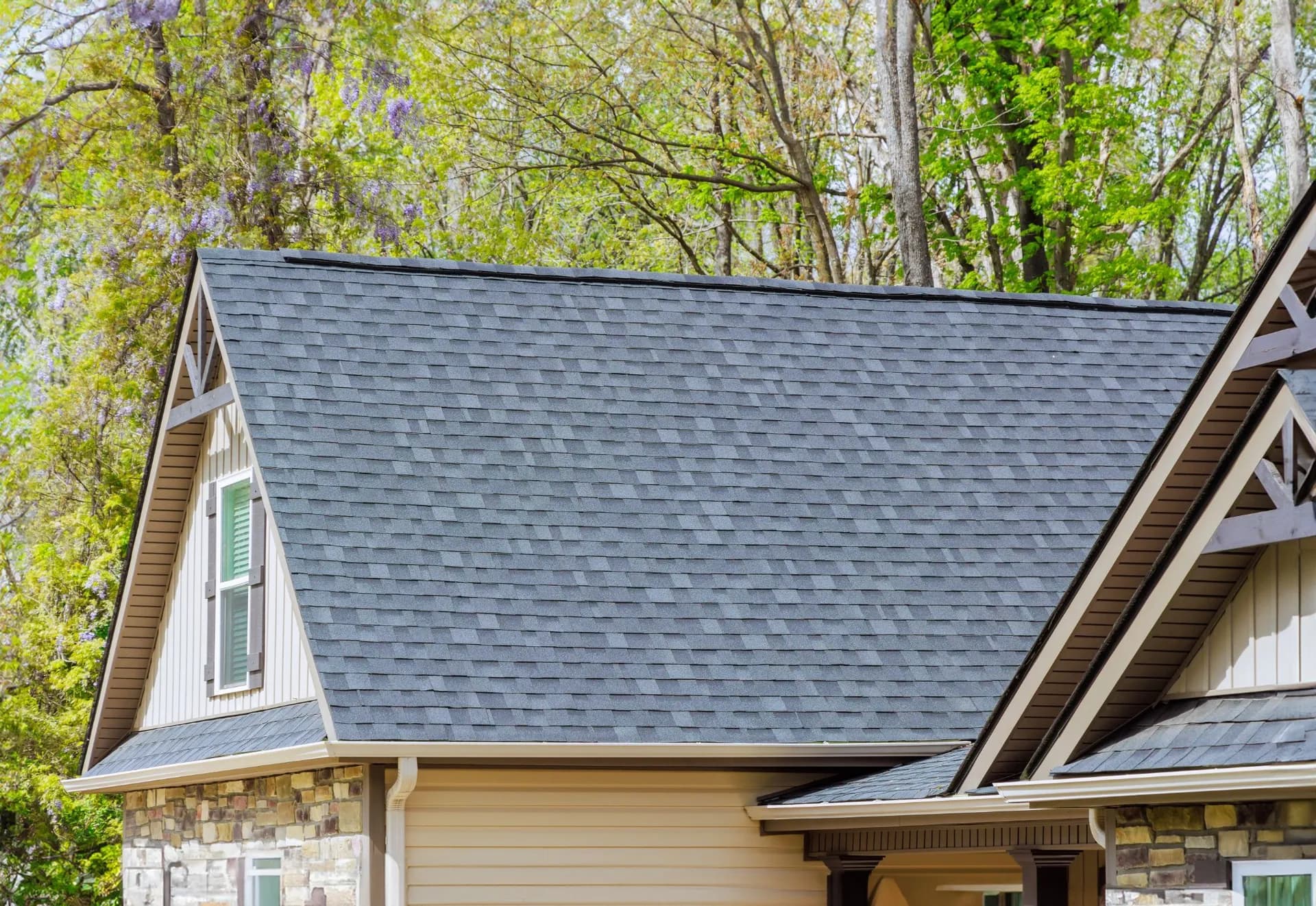
Charlotte's weather is one of the things that makes living in the Piedmont region both appealing and challenging. We enjoy four distinct seasons, mild winters compared to much of the country, and enough sunny days to keep spirits high. But Charlotte's humidity and weather patterns also create a uniquely tough environment for roofing materials. Understanding how Charlotte's climate specifically affects your roof can help you make smarter decisions about maintenance, materials, and timing for repairs or replacement.
From the punishing summer heat and humidity to the severe thunderstorms that roll through the metro area, here is a detailed look at how Charlotte's weather takes its toll on your roof and what you can do to protect your home.
The Impact of Charlotte's Summer Heat
Charlotte's summers are hot. From June through September, high temperatures regularly exceed 90 degrees Fahrenheit, and heat waves can push the mercury close to or above 100 degrees. The sun beats down on your roof for 14 or more hours per day during the height of summer, creating surface temperatures on asphalt shingles that can exceed 150 degrees.
This intense, prolonged heat exposure has several effects on your roof. Asphalt shingles contain volatile oils that keep them flexible and waterproof. Extended heat exposure causes these oils to evaporate over time, making the shingles brittle, prone to cracking, and more vulnerable to wind damage. This process, called thermal degradation, happens faster in Charlotte than in cooler climates, which is one reason why roofs in our area sometimes do not reach the full lifespan printed on the shingle warranty.
UV Radiation and Shingle Aging
Ultraviolet radiation from the sun is one of the primary forces that age your roof. UV rays break down the chemical compounds in asphalt shingles at a molecular level. The protective granules on the surface of shingles are your first line of defense against UV damage, but as those granules are gradually lost through weathering, the exposed asphalt degrades even faster. South-facing and west-facing roof slopes on Charlotte homes typically show the most UV-related aging because they receive the most direct sun exposure throughout the day.
Humidity: Charlotte's Invisible Roof Threat
Charlotte is a humid city. Average relative humidity hovers between 65 and 80 percent for much of the year, and summer mornings often start with humidity above 85 percent before the afternoon heat burns some of it off. This persistent humidity creates a set of problems for your roof that you might not immediately associate with moisture in the air.
Algae and Moss Growth
The dark streaks you see on many Charlotte roofs are caused by a type of blue-green algae called Gloeocapsa magma. This algae thrives in warm, humid environments, making Charlotte an ideal habitat. While algae itself does not directly damage shingles, the dark discoloration absorbs more heat from the sun, which accelerates the thermal degradation of the shingles underneath. Algae growth is most common on north-facing slopes and areas shaded by trees, where moisture lingers longer.
Moss is a more serious concern. Unlike algae, moss has a root system that can work its way underneath shingles, lifting them and creating pathways for water infiltration. Charlotte neighborhoods with heavy tree coverage, such as Myers Park, Eastover, and parts of Dilworth, are particularly prone to moss growth. Moss retains moisture against the roof surface, keeping shingles damp for extended periods and promoting rot in the underlying decking.
Moisture in the Attic
Charlotte's humidity does not just affect the exterior of your roof. Moisture-laden air can find its way into your attic through gaps, vents, and even through the building materials themselves. When warm, humid air enters a cooler attic space, condensation can form on the underside of the roof decking. Over time, this moisture promotes mold growth, rots wood components, and can compromise the structural integrity of your roof from the inside out. Proper attic ventilation is the primary defense against this, and it is something many Charlotte homes lack in adequate measure.
Severe Thunderstorms and Wind
Charlotte sits in one of the more active severe weather corridors in the Southeast. From late spring through early fall, strong thunderstorms are a regular occurrence, often developing quickly on hot, humid afternoons. These storms bring a combination of threats to your roof.
Straight-Line Winds
Severe thunderstorm winds in the Charlotte area regularly reach 50 to 70 mph, and occasional events produce winds exceeding 80 mph. These straight-line winds create enormous uplift forces on your roof, particularly along edges, ridges, and any areas where shingles may have begun to loosen due to age or heat damage. Wind damage is cumulative. Each storm that lifts and flexes your shingles weakens their seal a little more, making them increasingly vulnerable to the next event.
Hail
Hailstorms strike the Charlotte metro area multiple times per year, typically between March and August. Hail can range from small pellets to golf ball-sized or larger stones, and even quarter-inch hail falling at high velocity can cause significant damage to asphalt shingles. Hail impacts knock granules loose, crack shingles, and bruise the underlying asphalt mat. The cumulative effect of multiple hail events over the years accelerates the aging of your roof well beyond what time alone would cause.
Heavy Rainfall
Charlotte receives an average of 43 inches of rain per year, distributed fairly evenly throughout the seasons. Individual storm events can dump 2 to 4 inches or more in just a few hours. This volume of water tests every component of your roofing system. Shingles must shed water effectively, flashing must channel water away from vulnerable joints, gutters must move water off the roof and away from the foundation, and the underlayment must serve as a backup barrier if water gets past the shingles. Any weak point in the system will eventually reveal itself during a heavy Charlotte downpour.
Winter Weather in Charlotte
While Charlotte's winters are mild compared to northern states, they still present challenges for your roof. Temperatures typically fluctuate between the 20s at night and the 50s during the day through December, January, and February. This creates repeated freeze-thaw cycles that stress roofing materials and building components.
Freeze-Thaw Cycles
When water gets into small cracks in flashing, under lifted shingles, or into gaps in sealant, and then freezes overnight, it expands. This expansion widens the crack or gap slightly. When it thaws during the day, water seeps in deeper. The next freeze widens the crack further. Over the course of a Charlotte winter, these repeated cycles can turn minor vulnerabilities into significant problems. This is especially common around chimney flashing and in roof valleys.
Ice Storms
Charlotte experiences ice storms every few years, and when they hit, the damage can be significant. Ice accumulation adds tremendous weight to your roof, and when combined with the weight of ice-covered tree limbs that may fall on the roof, the structural load can become a concern. Ice dams, where ice forms along the eaves and prevents meltwater from draining, can cause water to back up under shingles and leak into the home. While less common here than in northern climates, ice events are a real risk that Charlotte homeowners should prepare for.
Protecting Your Charlotte Roof from Weather Damage
While you cannot change Charlotte's climate, you can take proactive steps to protect your roof from its effects. Here are practical measures every Charlotte homeowner should consider.
- Schedule annual roof inspections: A professional inspection catches small problems before they become expensive ones. Have your roof inspected each fall before winter weather arrives.
- Check your attic ventilation: Good airflow in your attic reduces heat buildup in summer and moisture accumulation in winter, both of which extend your roof's lifespan significantly.
- Keep gutters clean: Clean your gutters at least twice a year, in spring and fall. Charlotte's trees produce significant leaf and debris fall, and clogged gutters cause water backup that damages your roof edge, fascia, and soffit.
- Trim overhanging branches: Keep tree limbs trimmed back at least 6 feet from your roof to reduce debris accumulation, limit shade that promotes moss growth, and minimize the risk of falling limbs during storms.
- Choose weather-appropriate materials: When it is time for a roof replacement, choose materials suited to Charlotte's climate. Architectural shingles with high wind ratings and algae-resistant granules are a solid choice for our area.
- Address repairs promptly: Do not wait on small repairs. A few missing shingles or a deteriorated pipe boot can quickly become a major leak during Charlotte's next heavy rainstorm.
Schedule a Free Inspection with Peak Roofing
Charlotte's humidity and weather patterns are hard on roofs, but with proper maintenance and timely attention, your roof can provide reliable protection for decades. If you are not sure how your roof is holding up against the Charlotte climate, Peak Roofing offers free inspections for homeowners throughout the Charlotte metro area, including Ballantyne, South End, University City, Mooresville, Concord, Matthews, Fort Mill, and all surrounding communities.
With over 10 years of experience working on roofs in the Charlotte area, our team understands the specific challenges our climate creates and knows what to look for. Call Peak Roofing today at (704) 313-9341 or schedule your free roof inspection online. Let us help you stay ahead of weather-related damage and keep your home protected.
Need Help with Your Roof?
Contact Peak Roofing today for a free roof inspection and estimate. Our experienced team is here to help Charlotte homeowners.